Few things produce such a feeling of awe for me as spending time with art and nature. In those moments there is no past or future, just the present. I feel so light afterwards, renewed and uplifted.
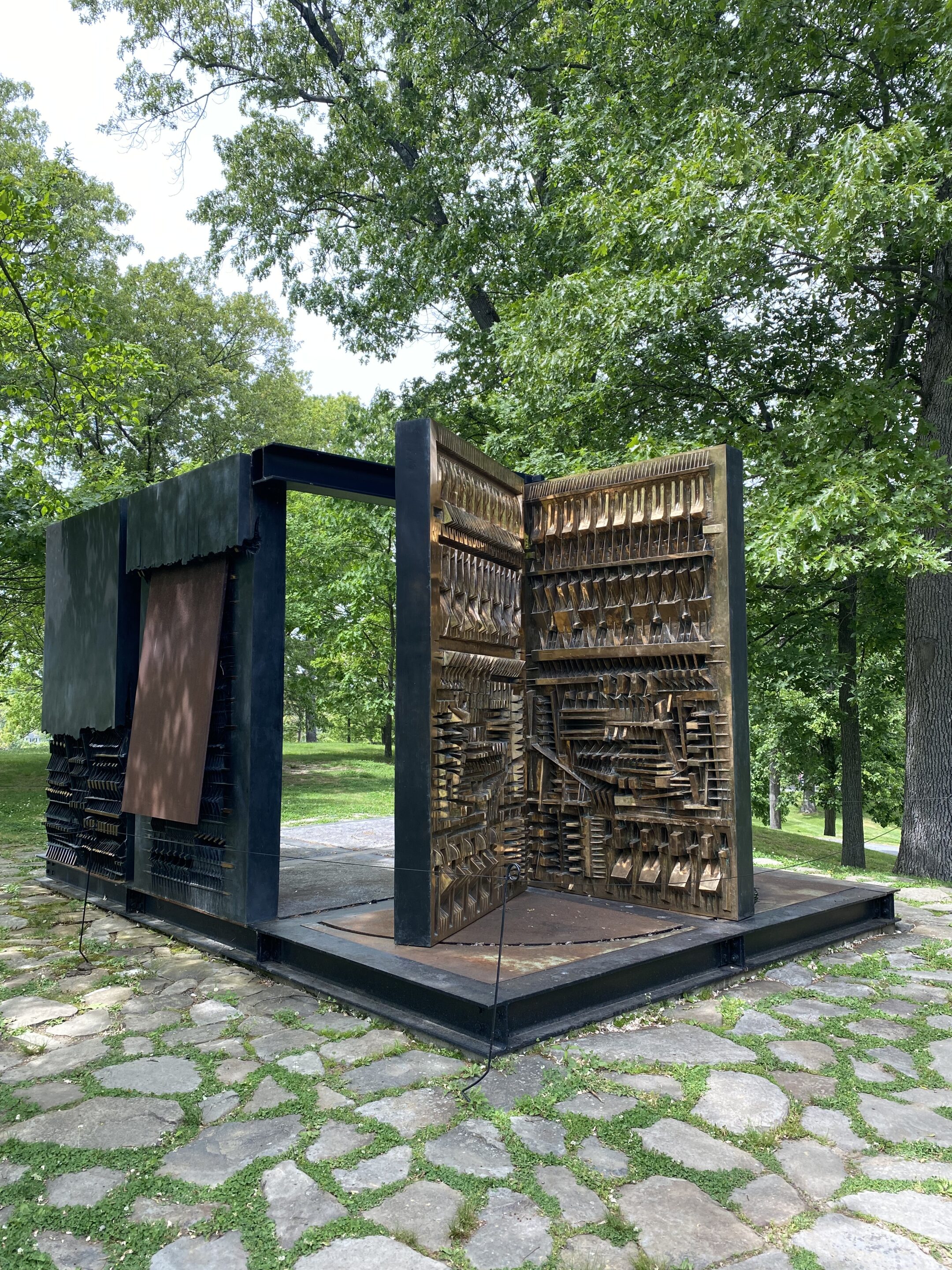
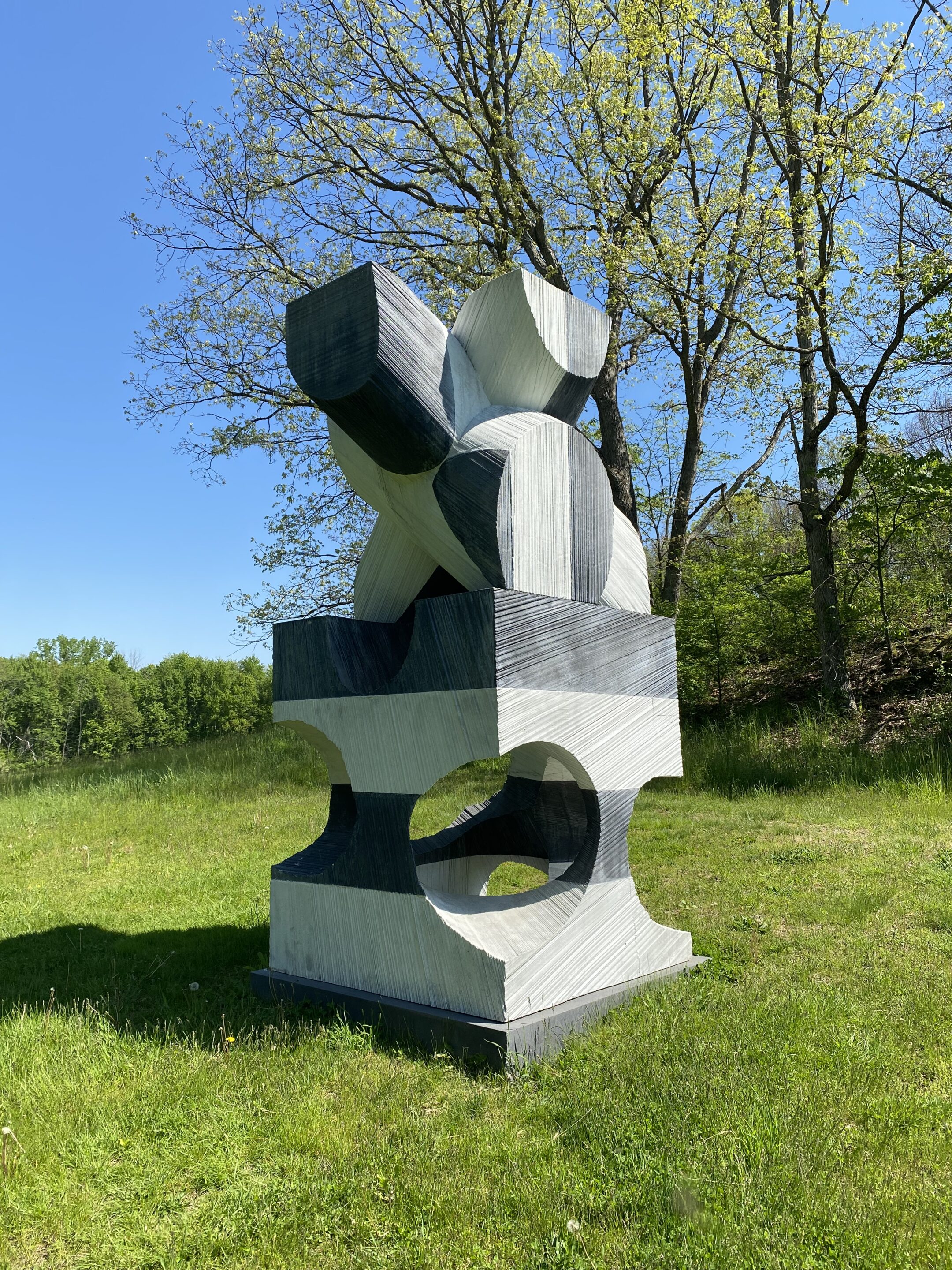
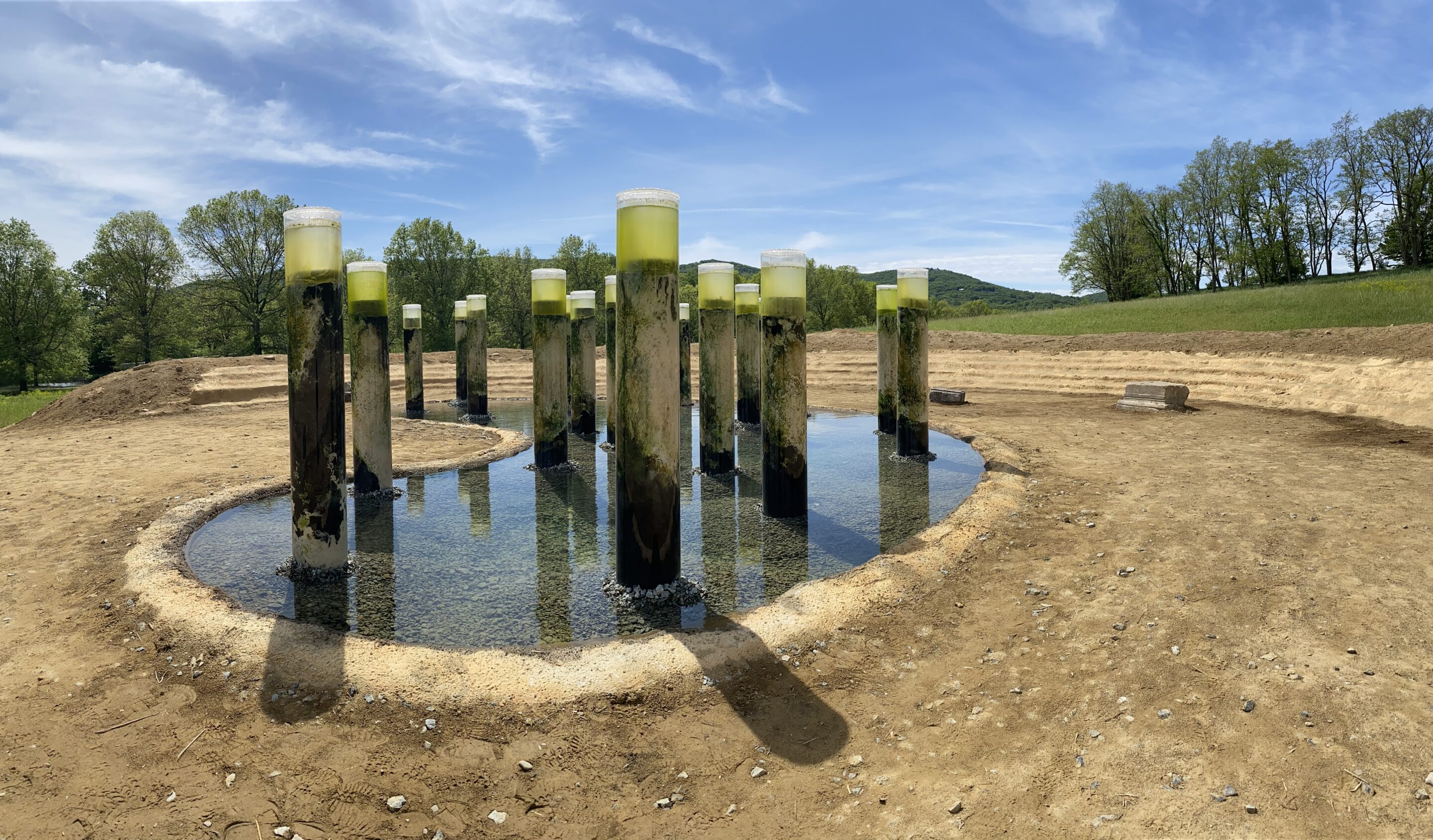
I just returned from a trip to NY that was a thousand times that feeling. I feel richer in my soul and spirit since returning. For a full week this was the focus. I explored an area in the Catskills that was within a two hour radius of a town called Phoenicia. There are quite a few sculpture parks and museums scattered there around the Hudson River Valley. Storm King and Dia Beacon were the main reasons I created this itinerary, but after some research I added other nearby gems.
Itinerary:
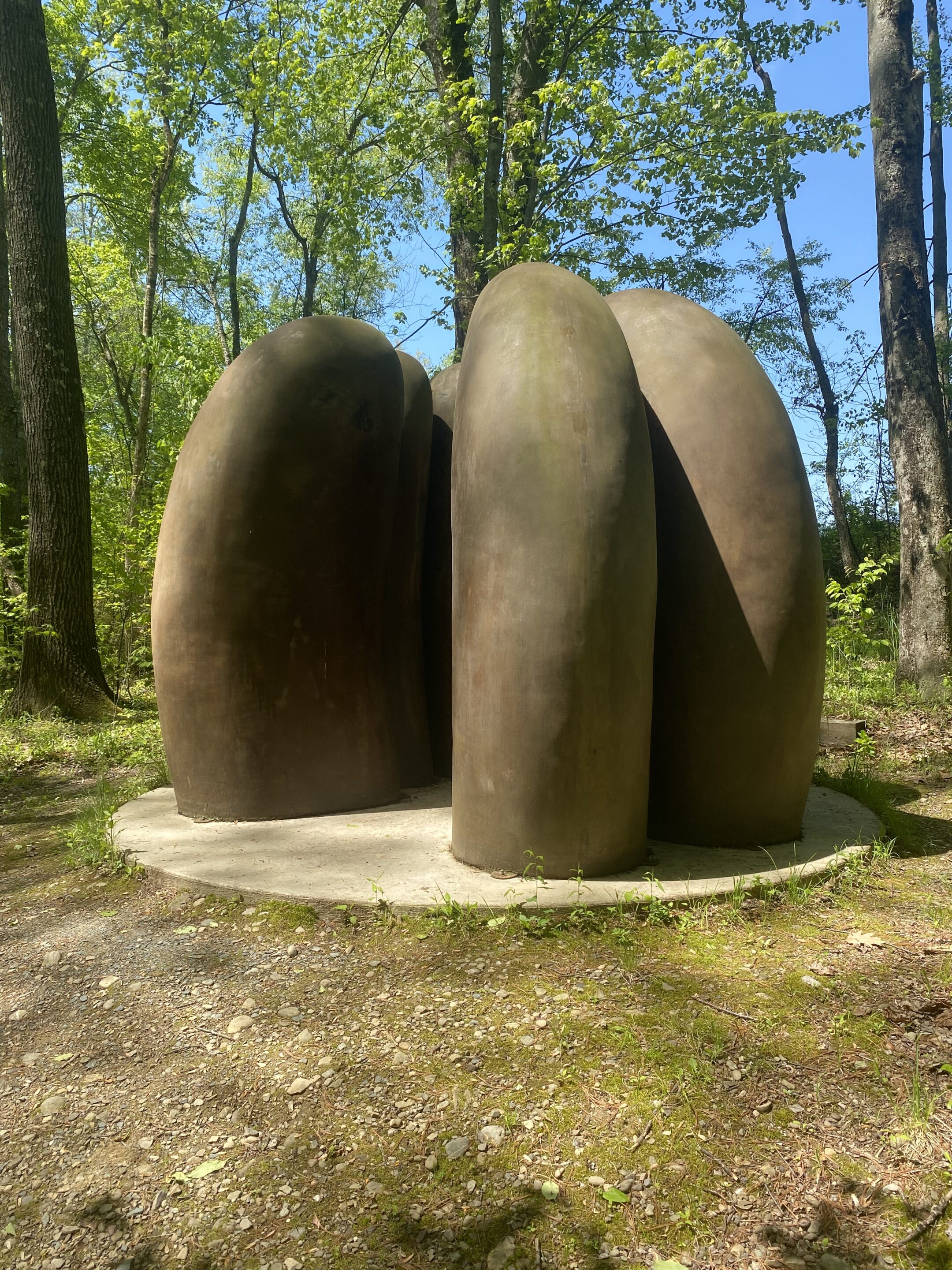
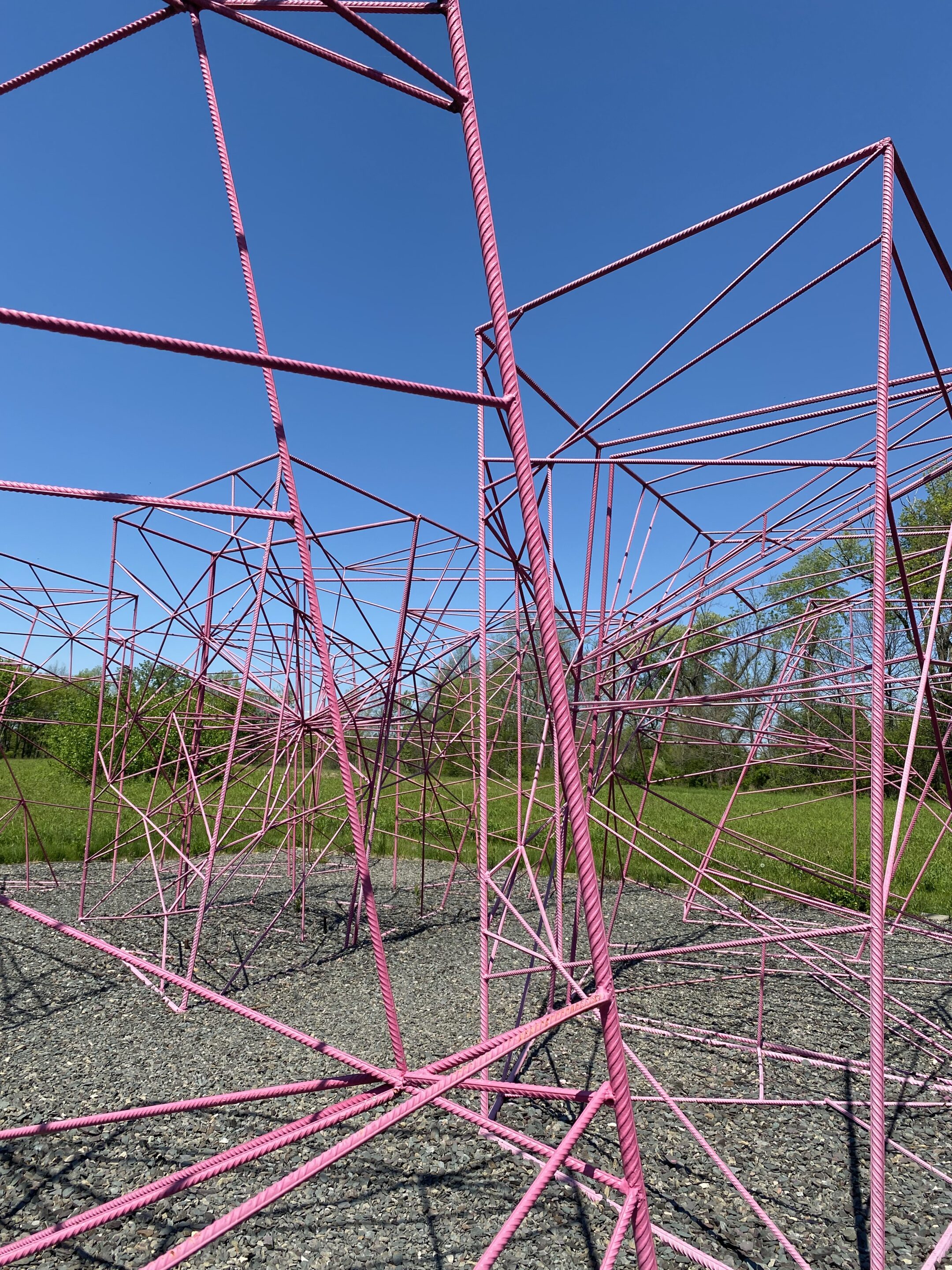
Art Omi: outdoor contemporary sculpture park, 120 acres, Ghent, NY.
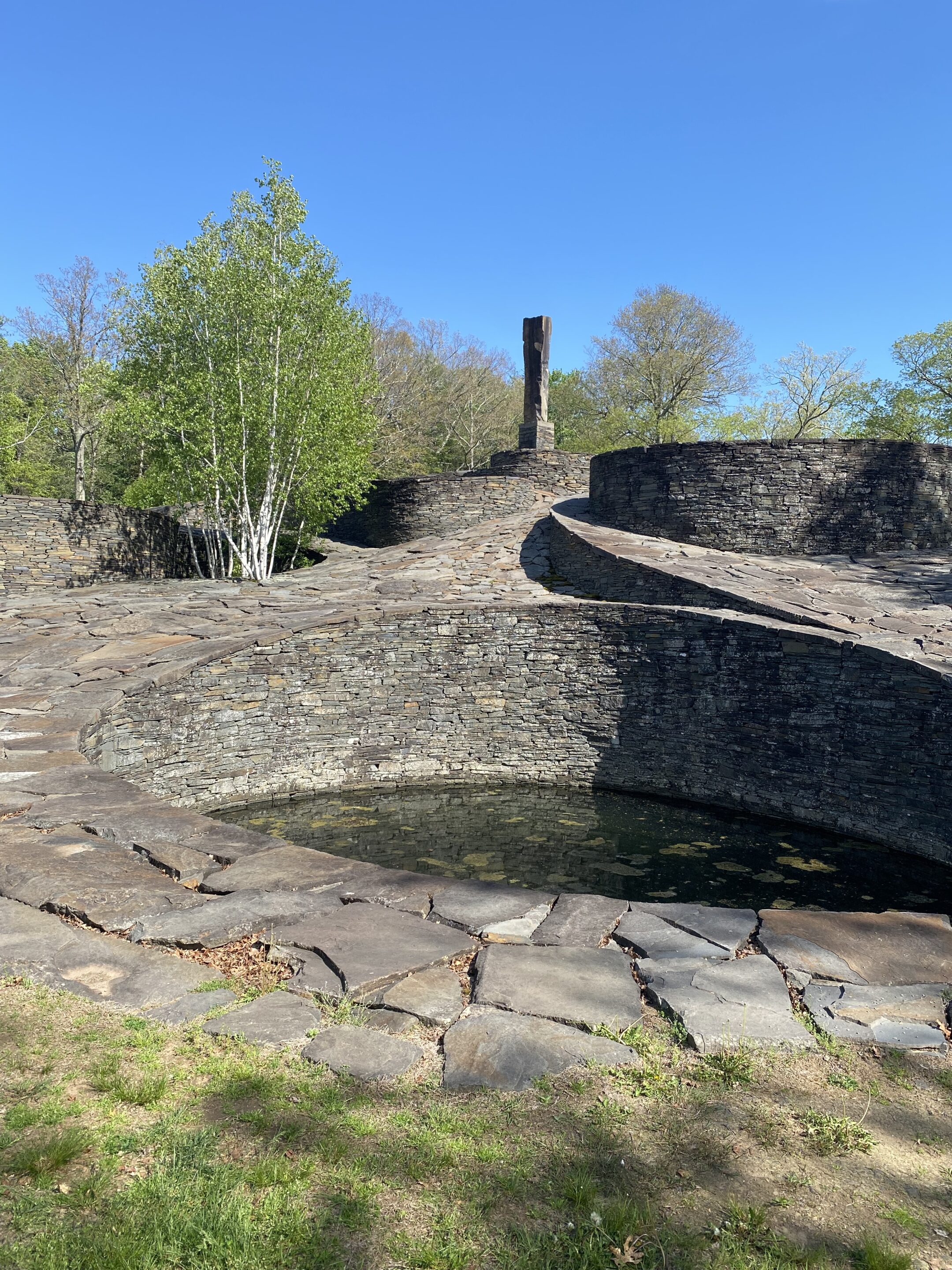
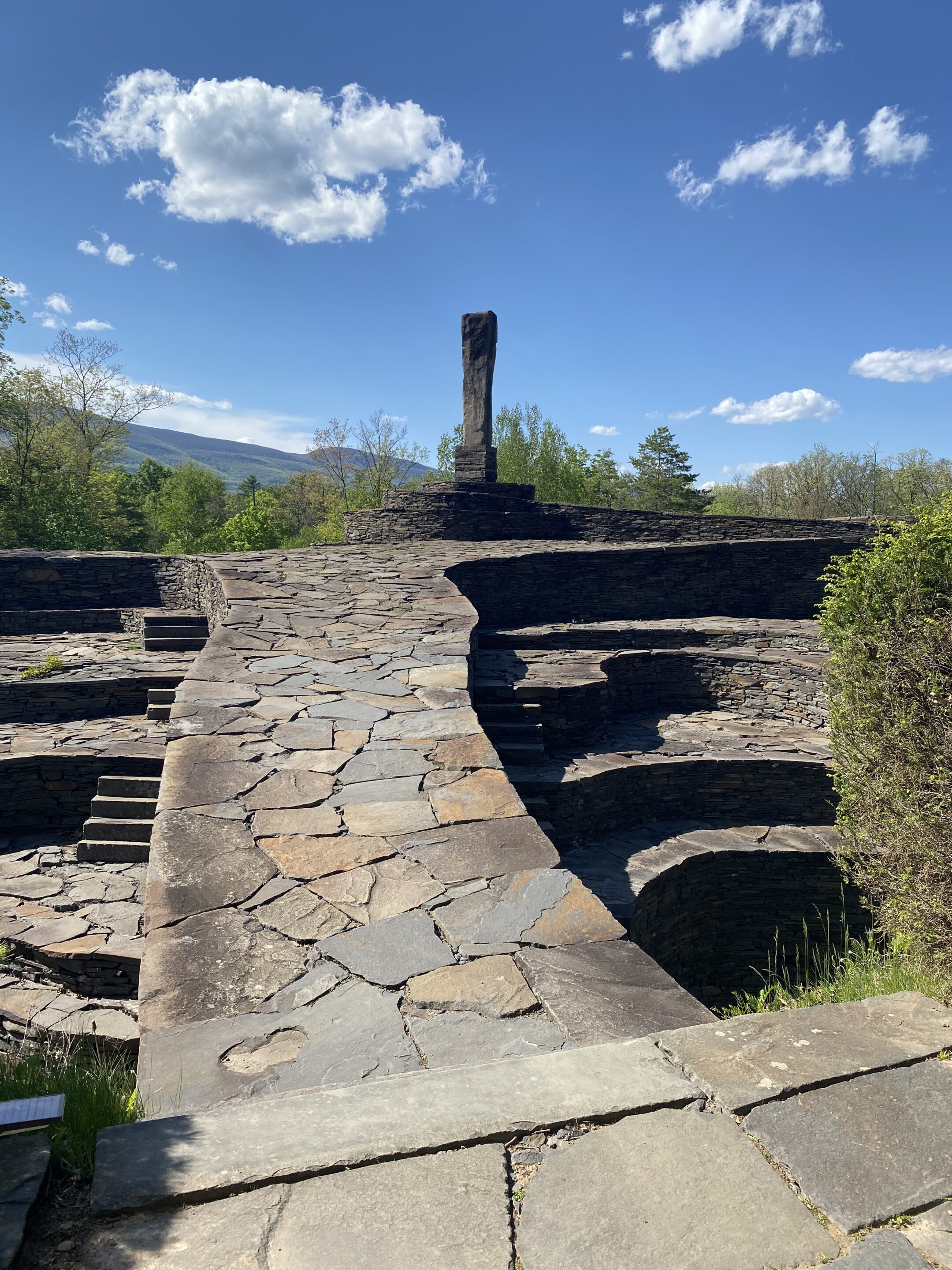
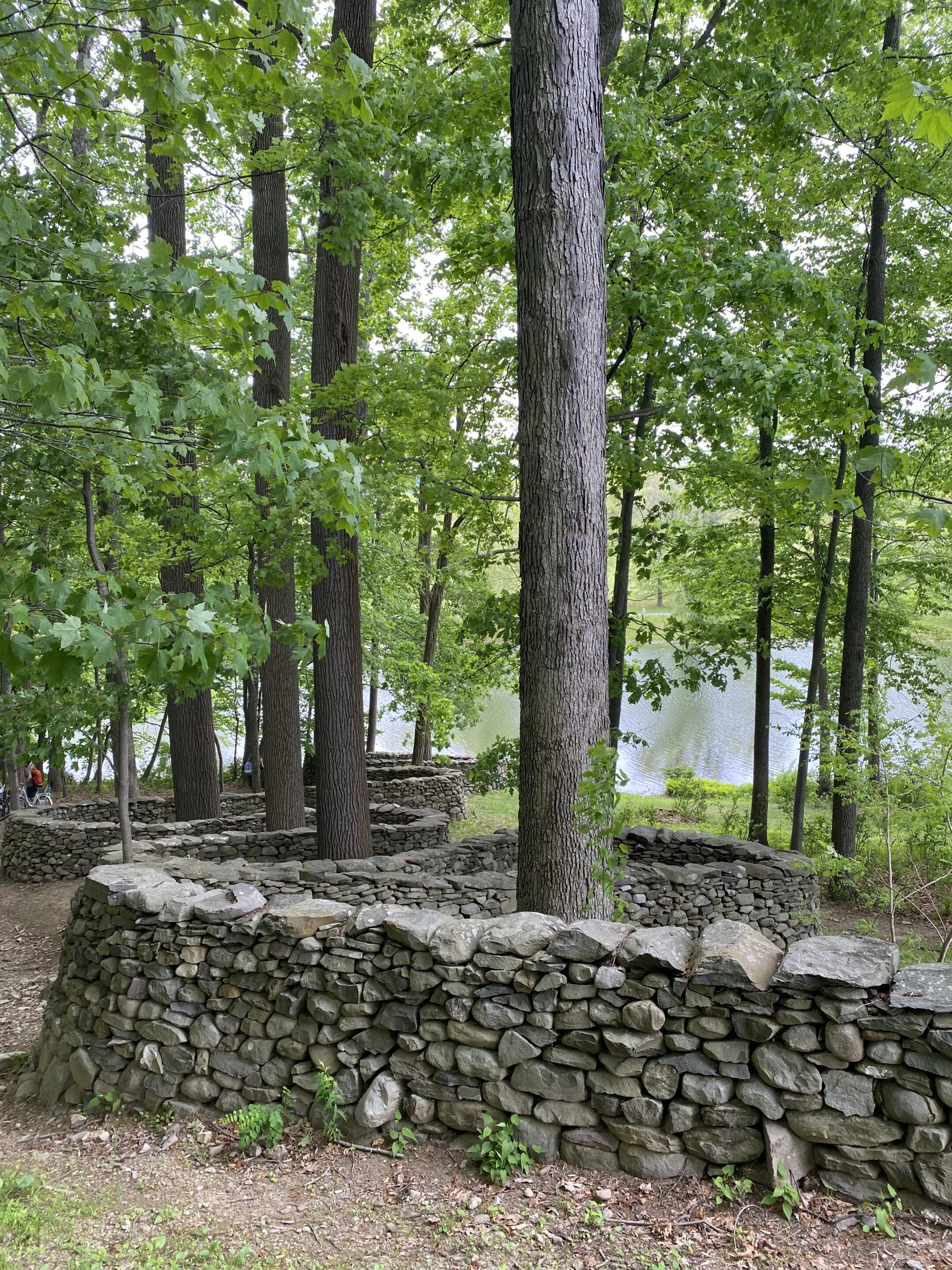
Opus 40: outdoor dry stone land art, 63 acres, Saugerties, NY.
Magazzino Italian Art: contemporary Italian art, Cold Spring, NY.
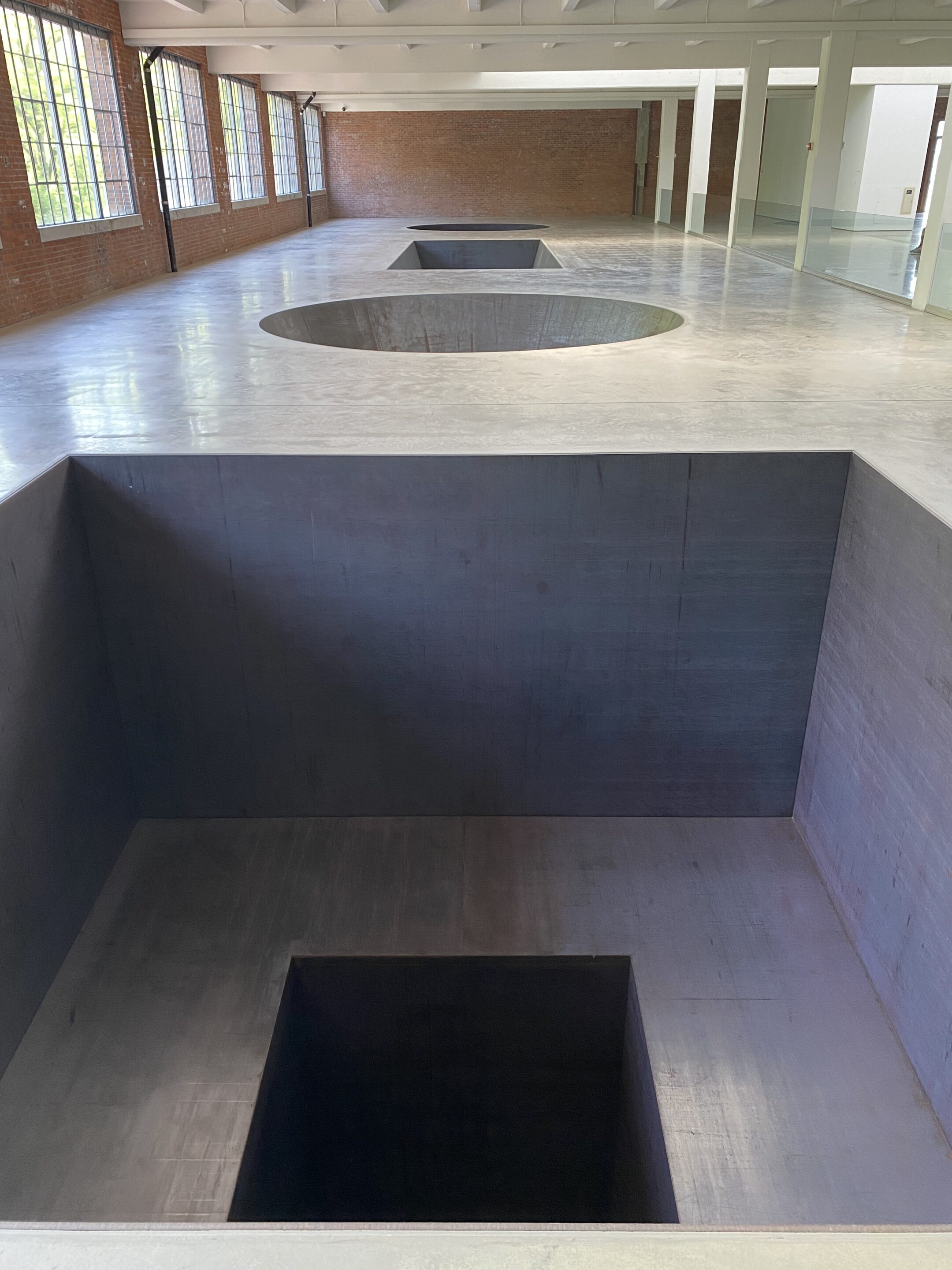
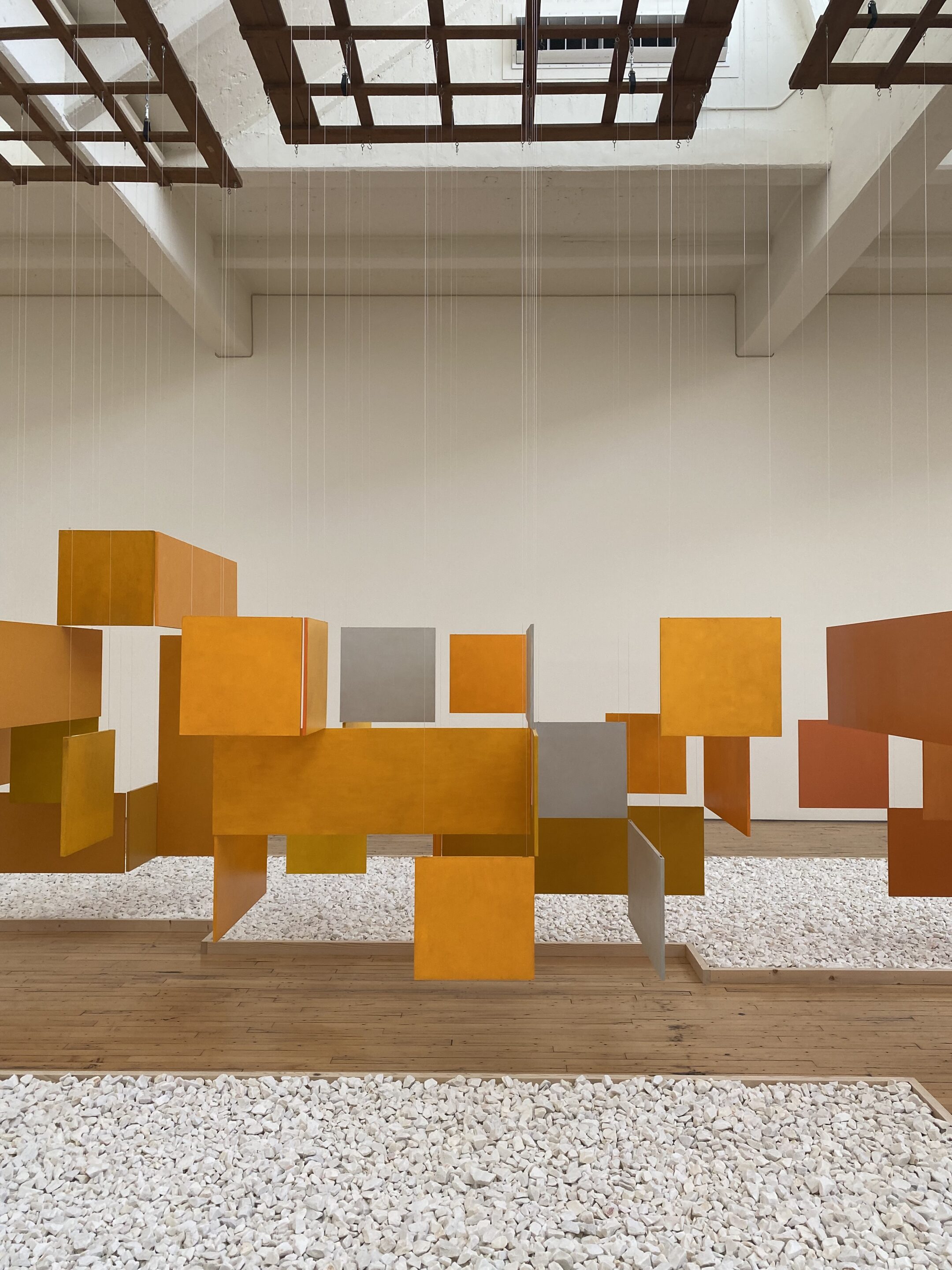
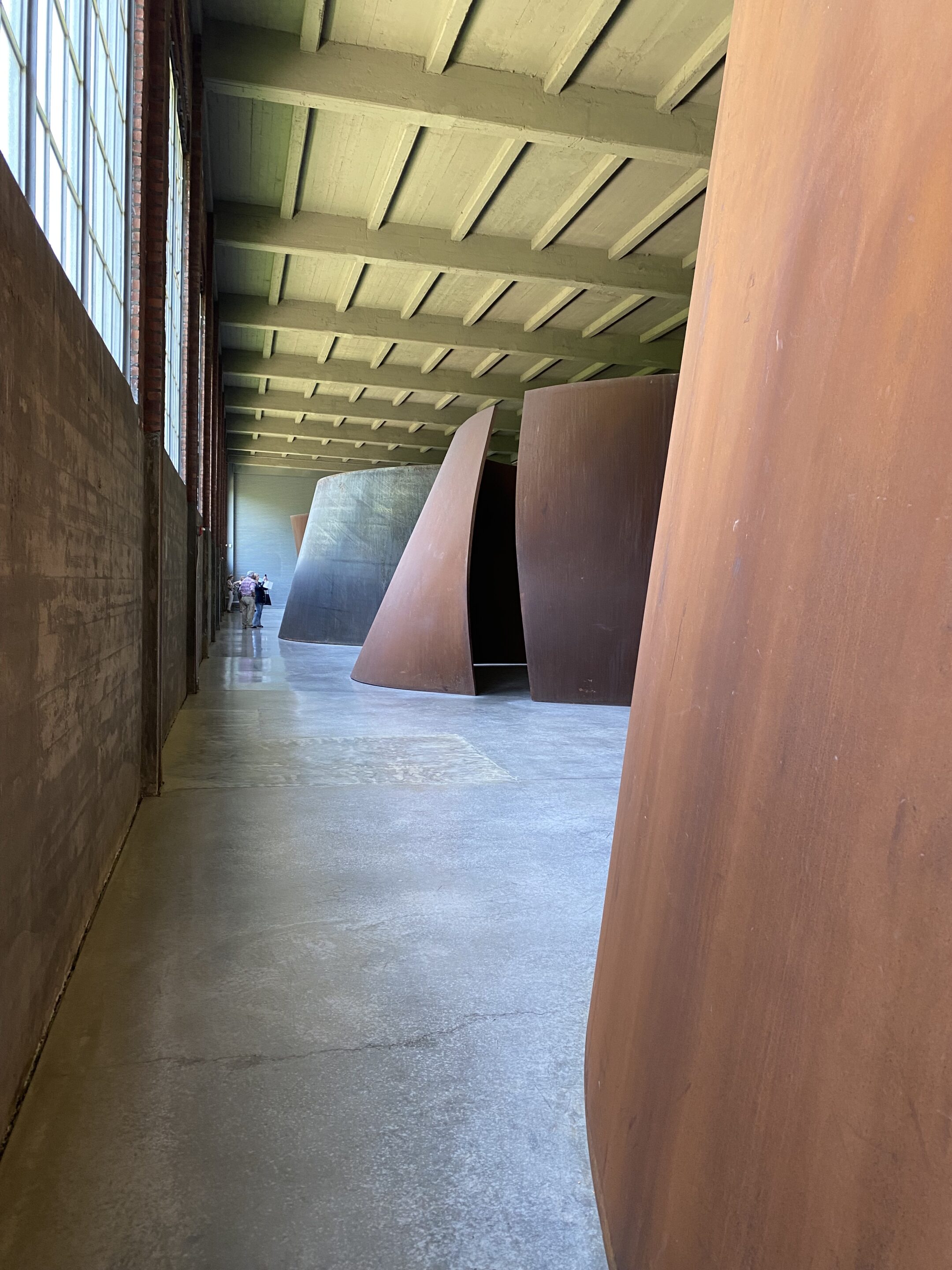
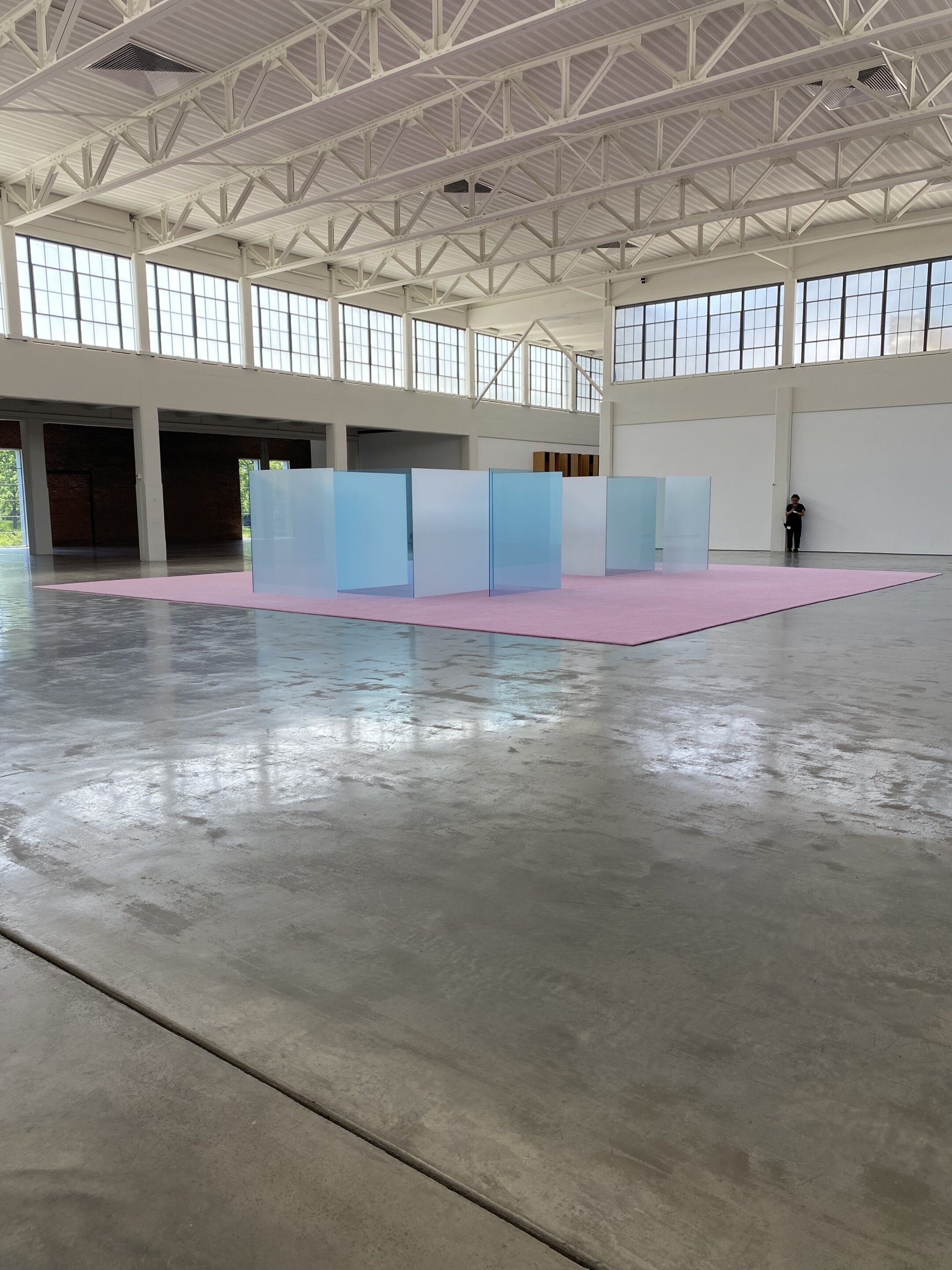
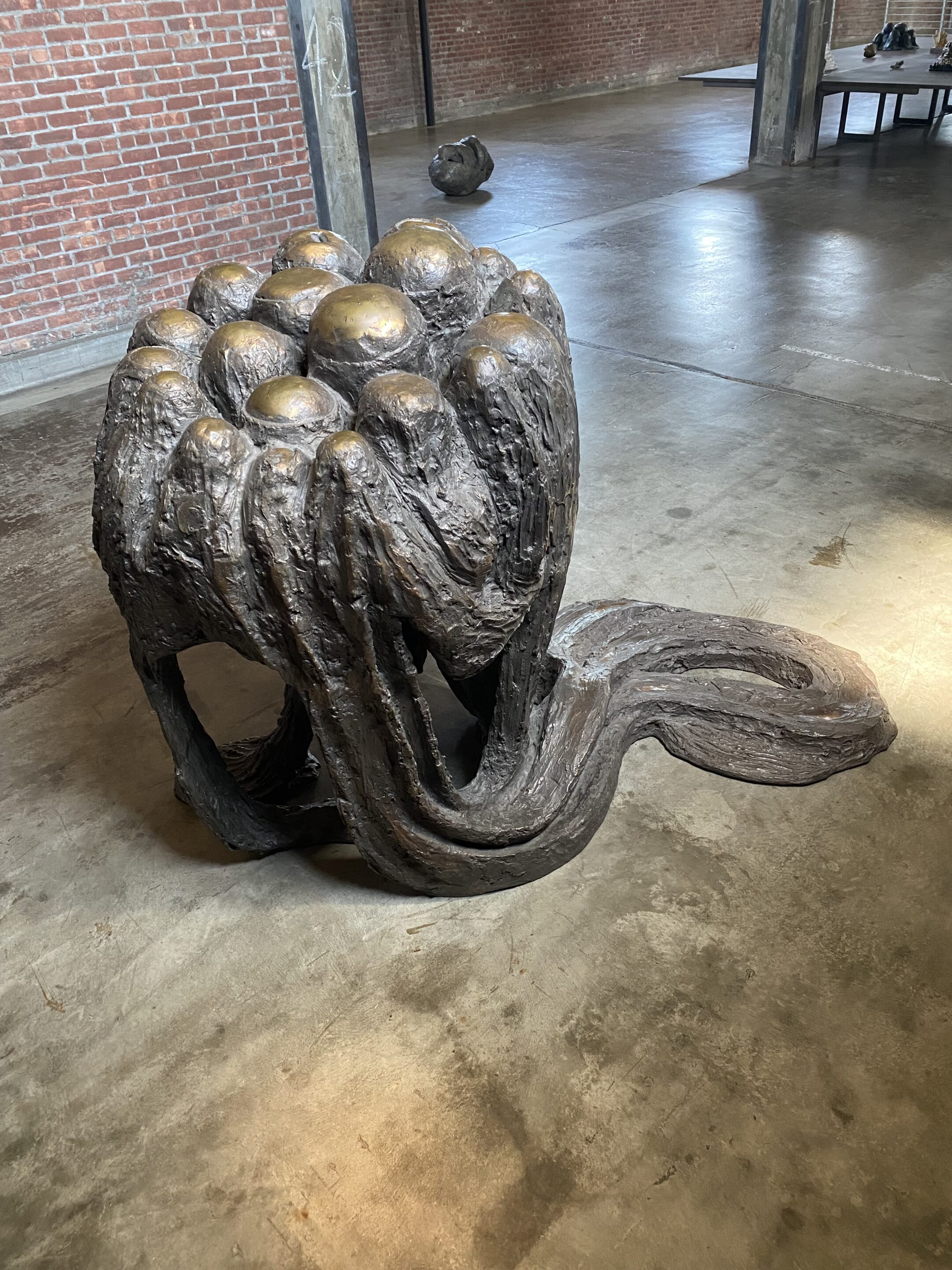
Dia Beacon: contemporary art, Beacon, NY.
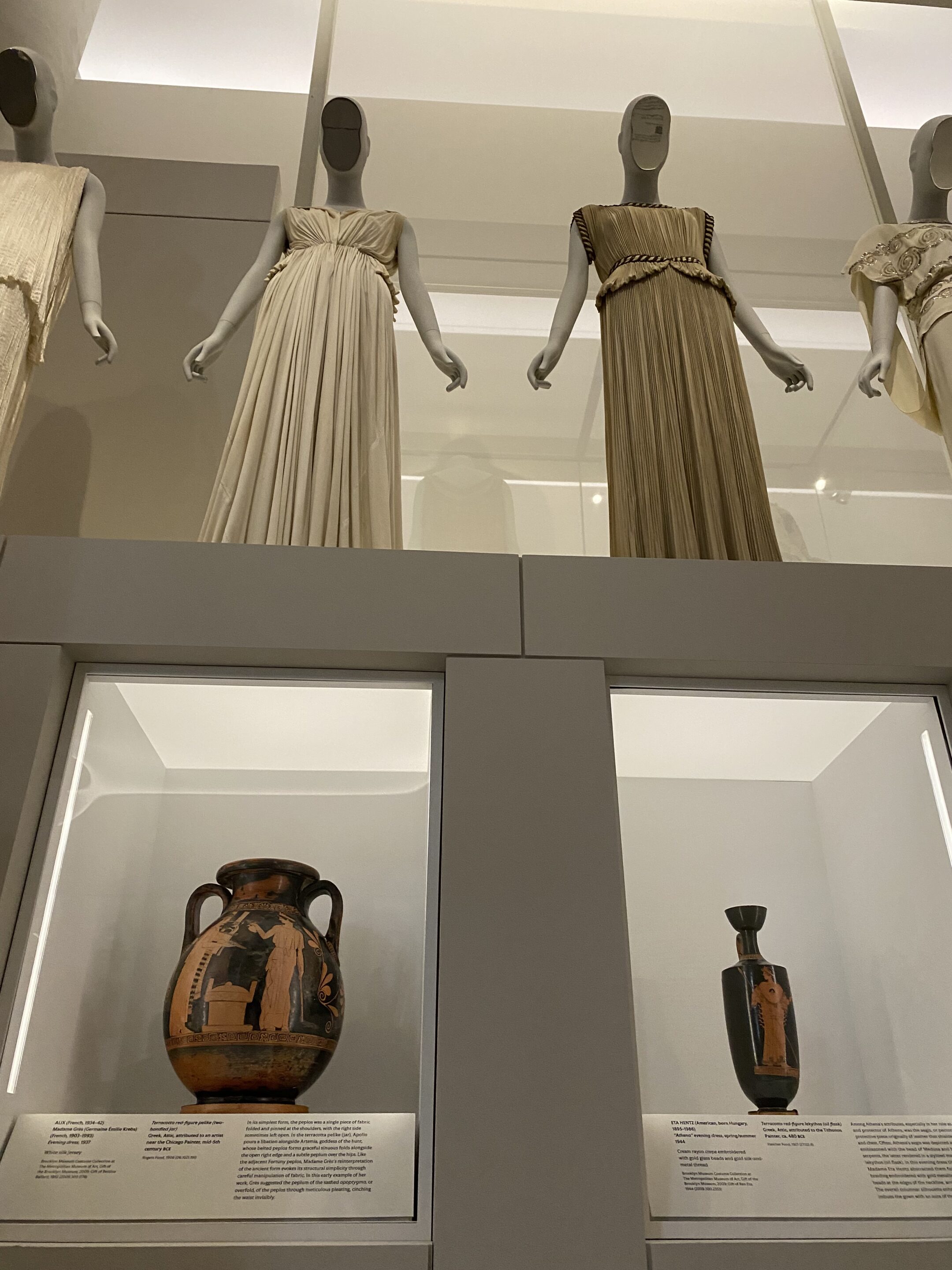
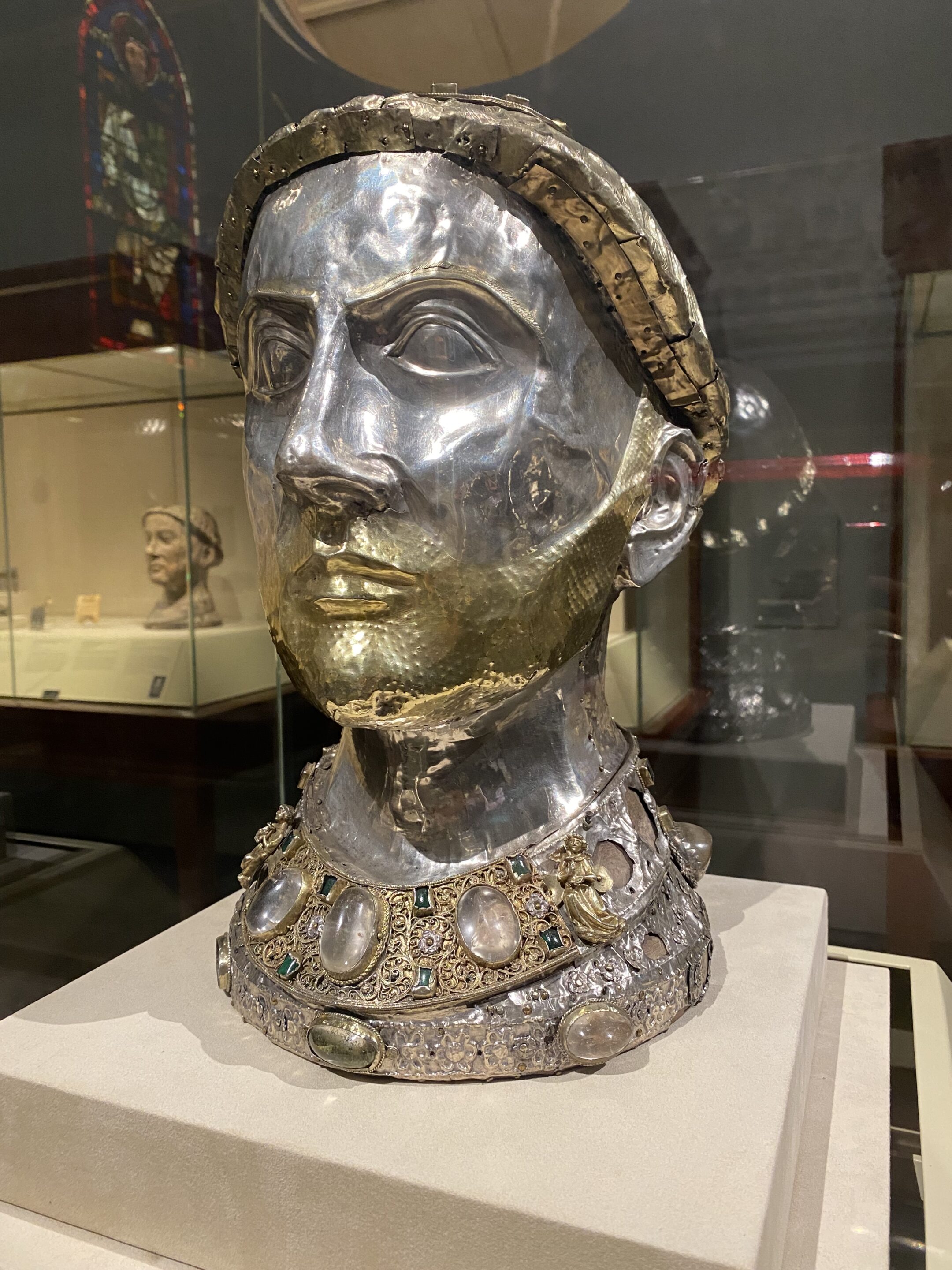
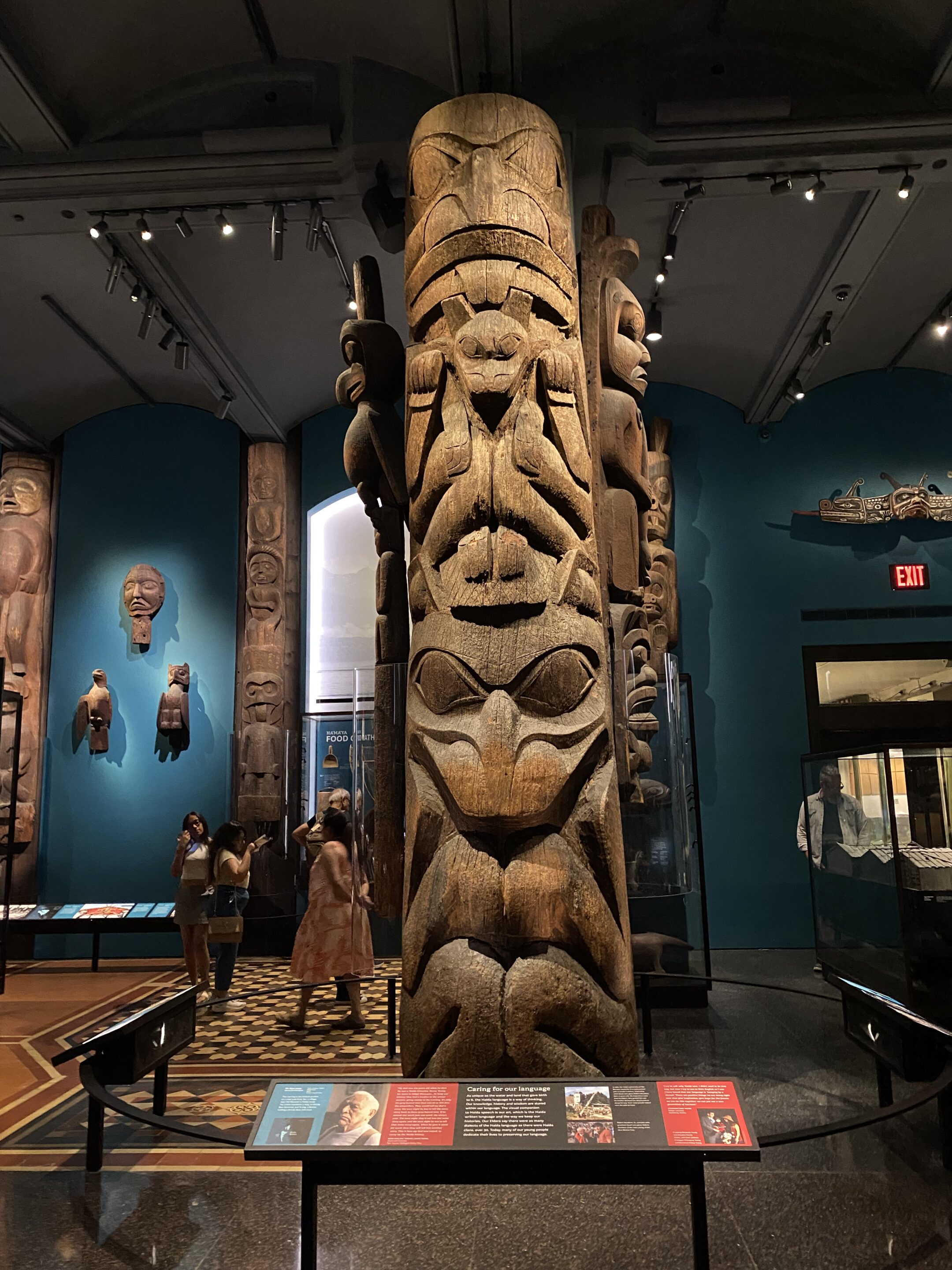
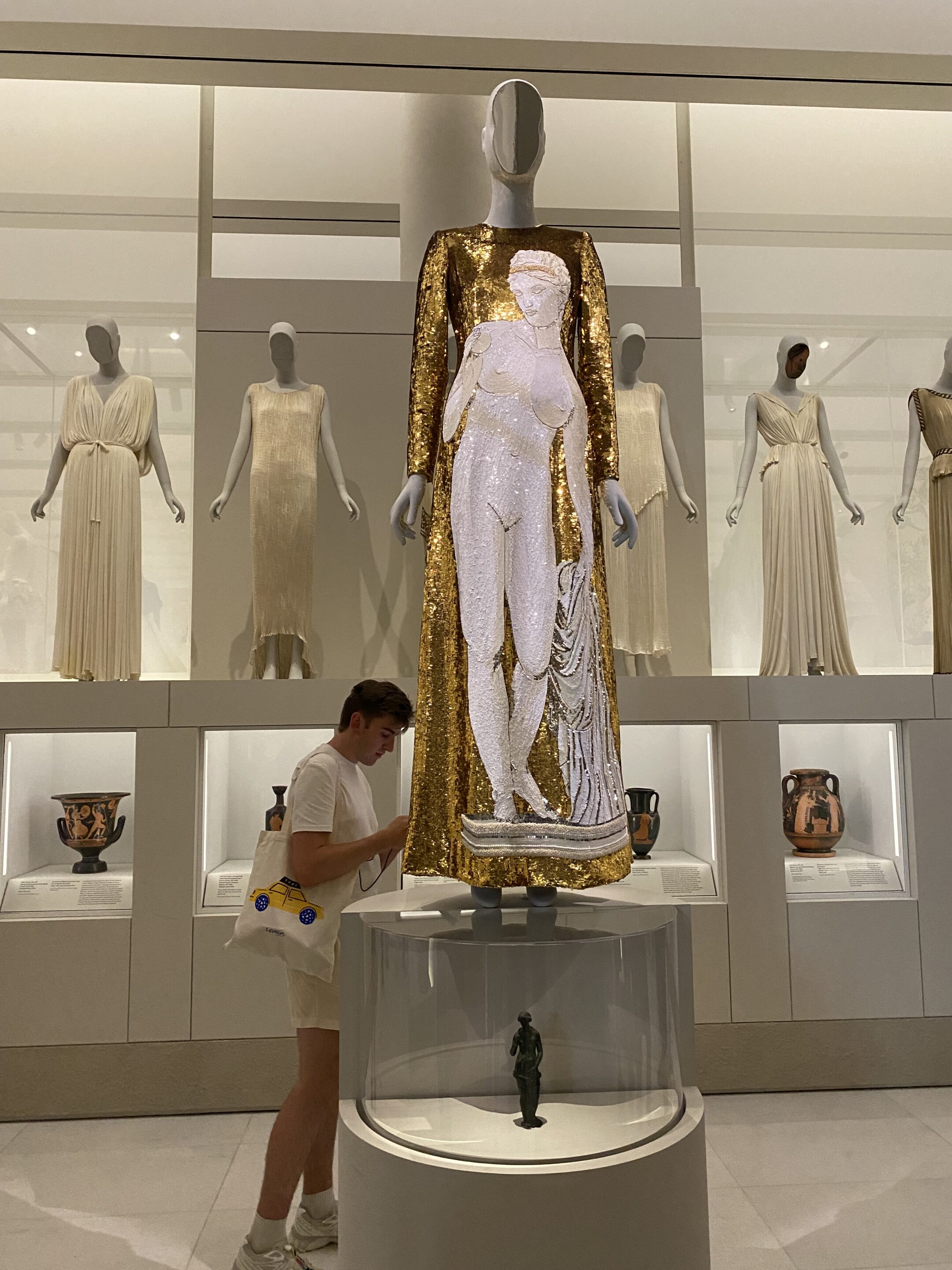
The MET: Metropolitan Museum of Art, Manhattan, NY.
Natural History Museum: Manhattan, NY.
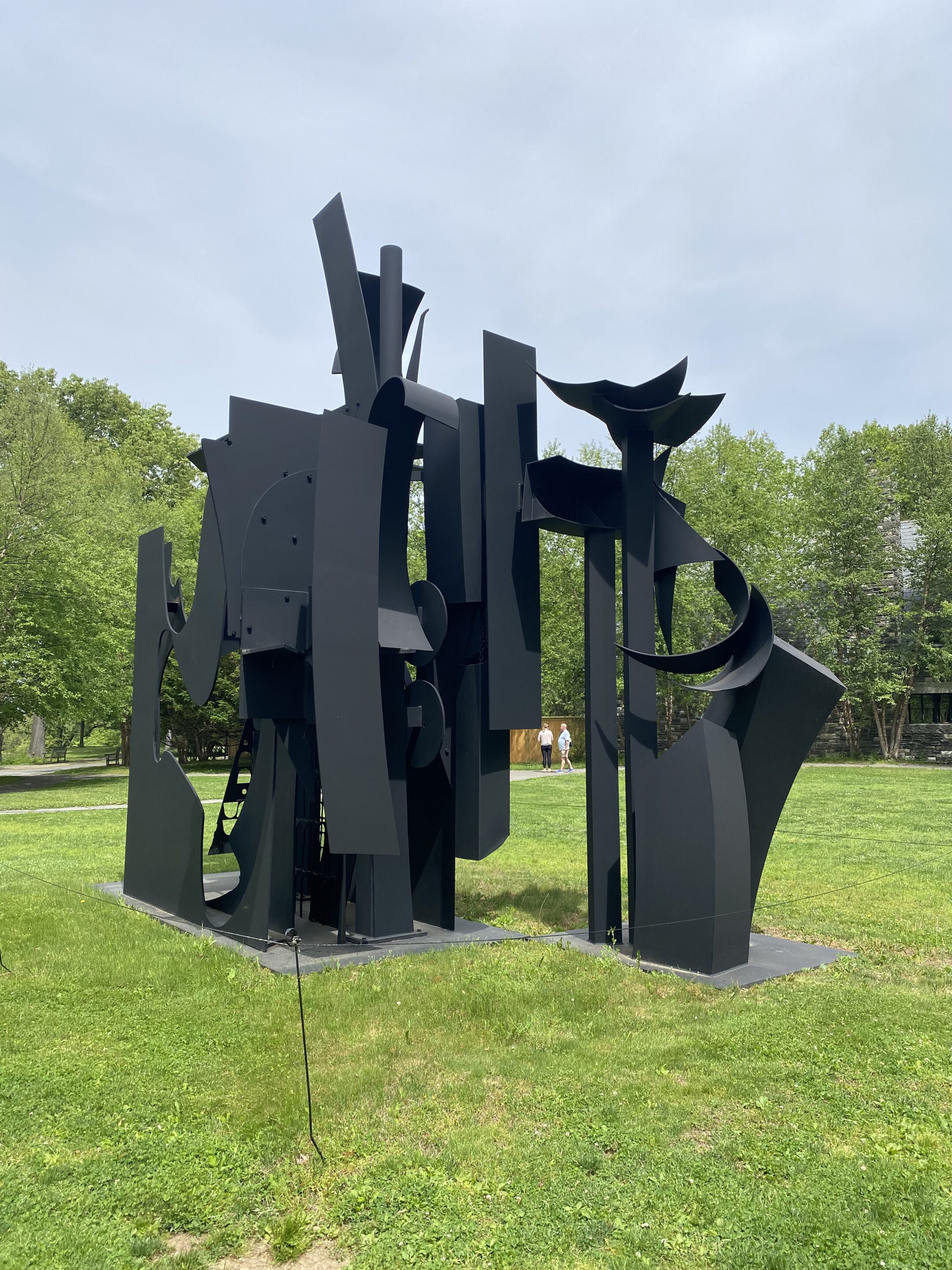
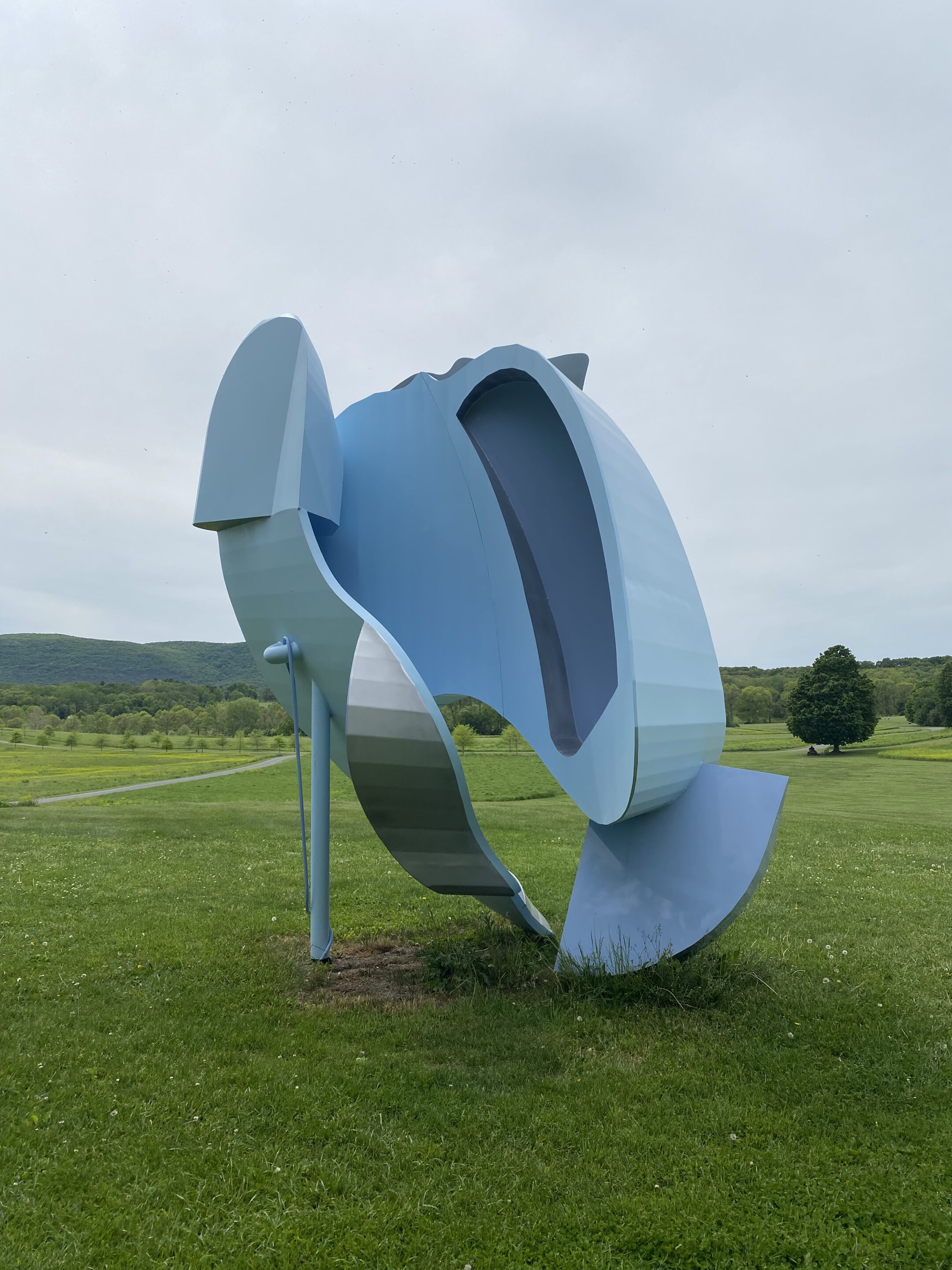
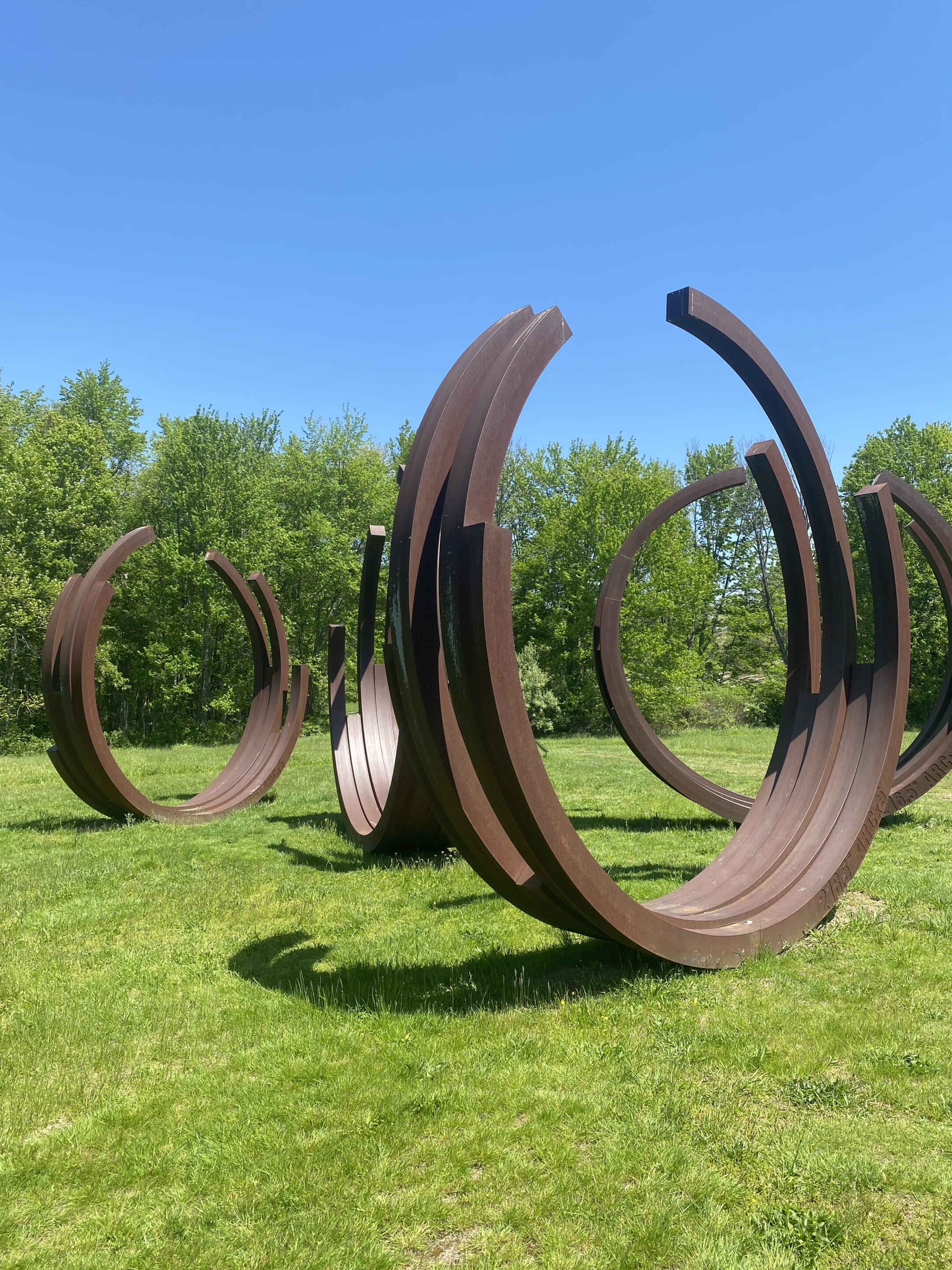
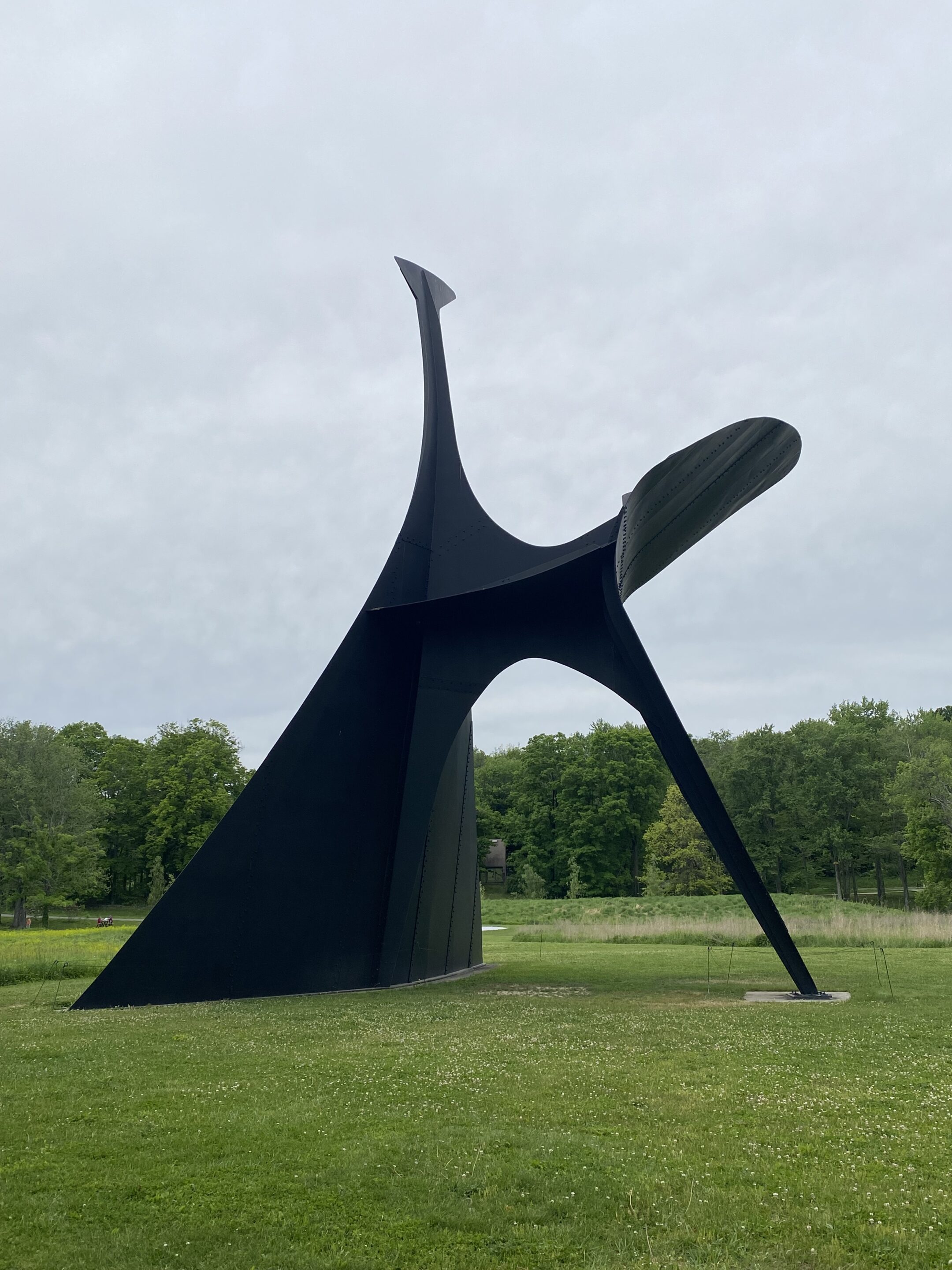
Storm King Art Center: outdoor contemporary sculpture park, 500 acres, Windsor, NY.
World’s largest kaleidoscope at the Emerson: Mount Tremper, NY.
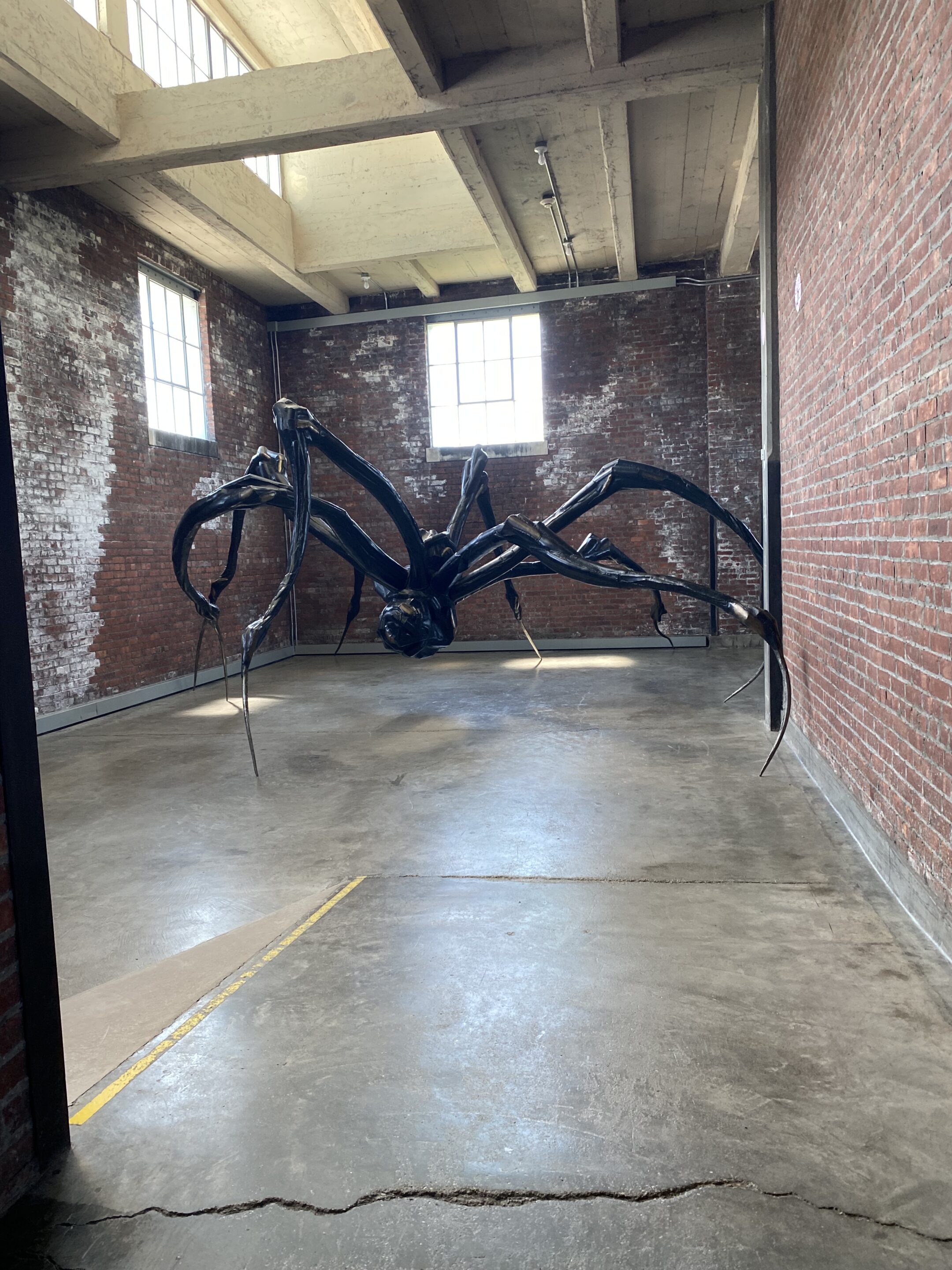
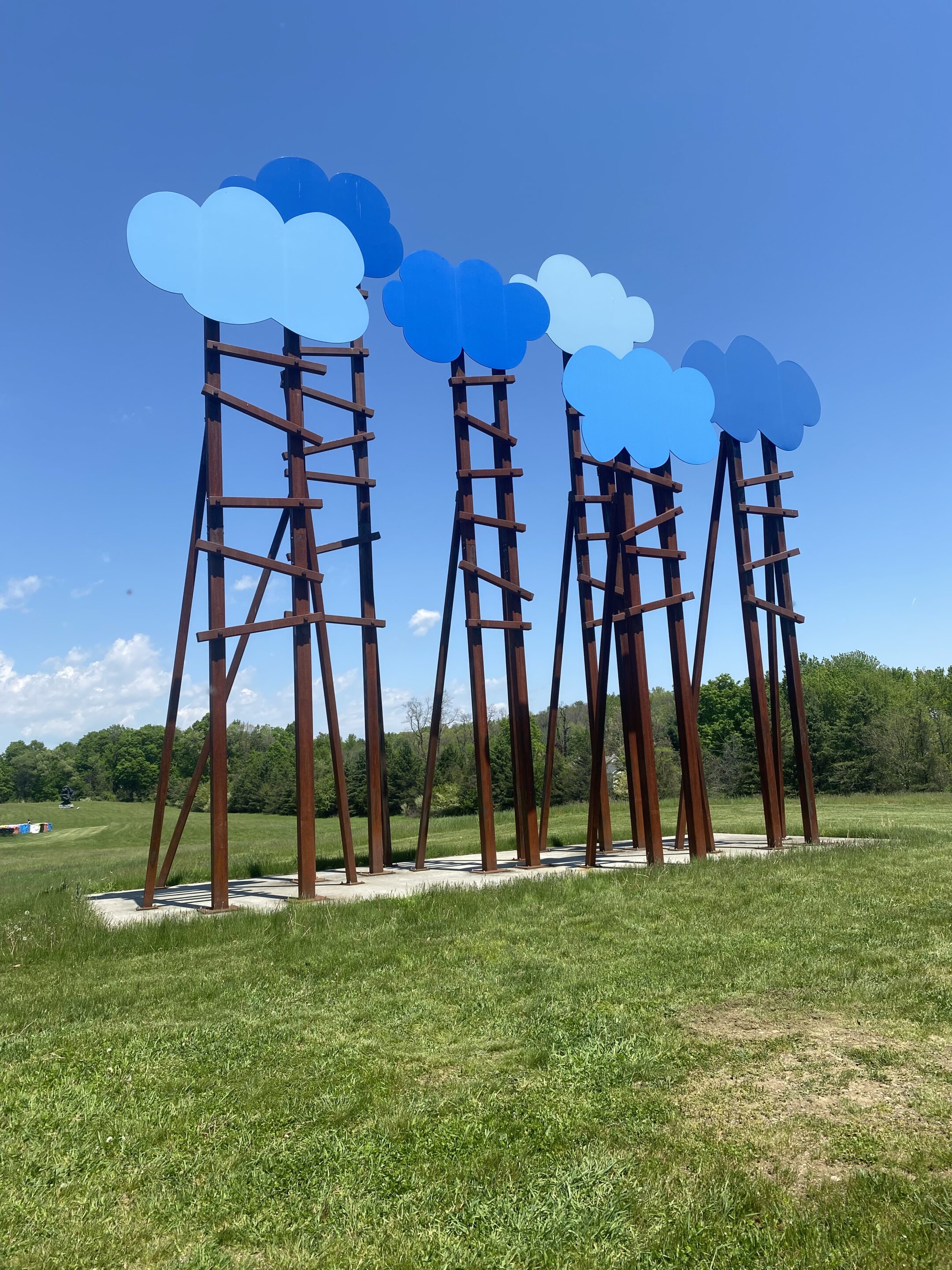
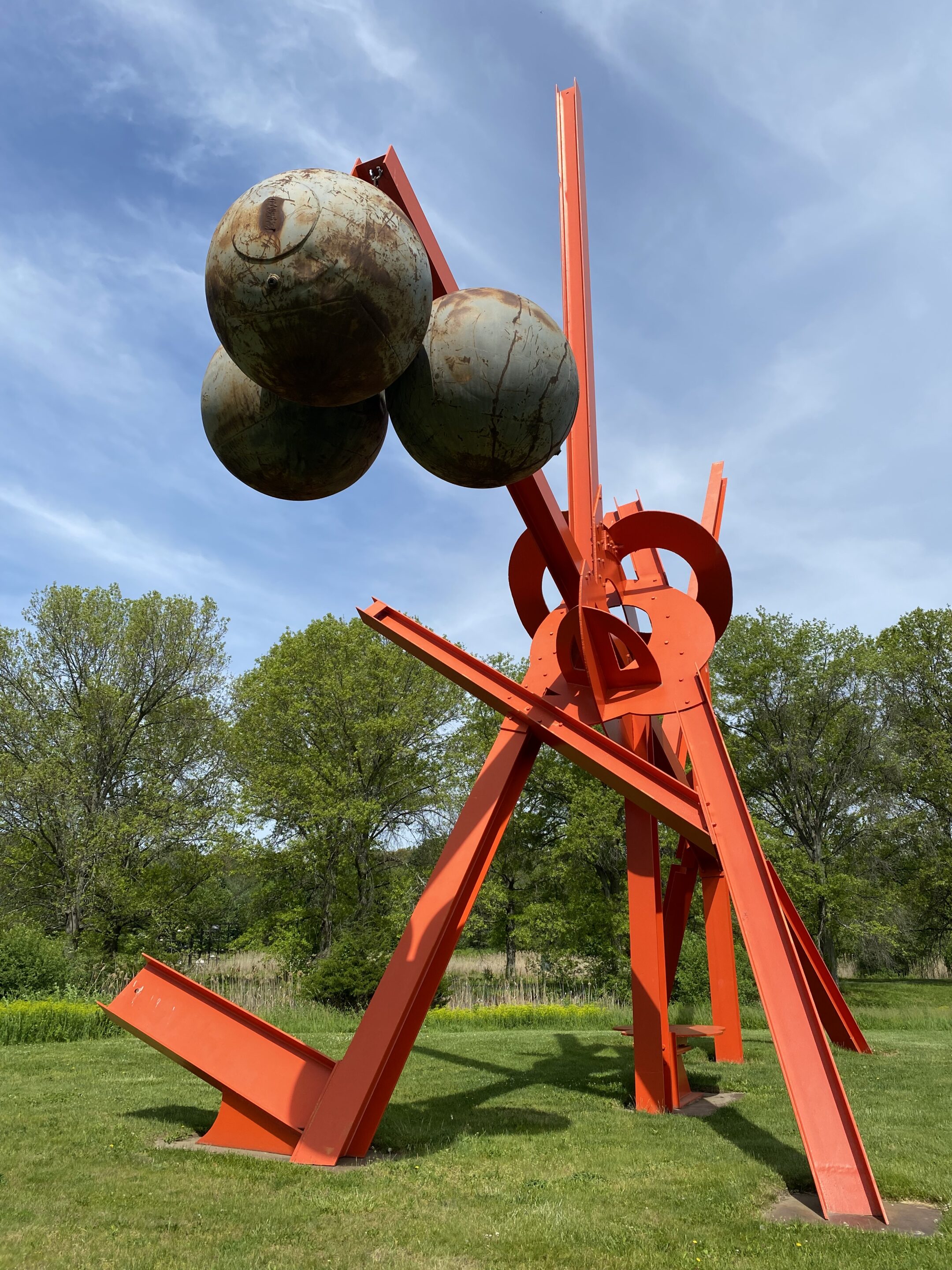
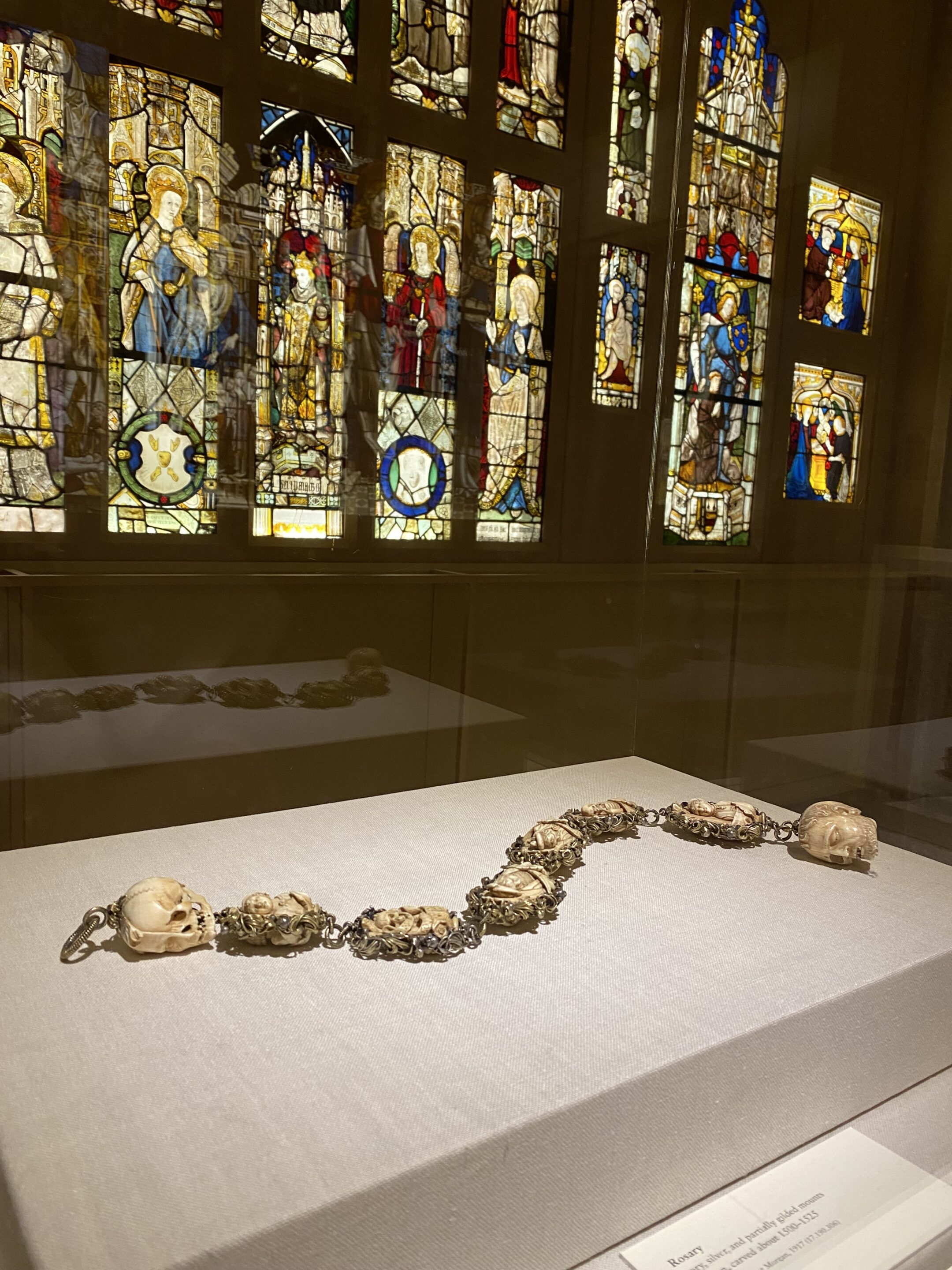
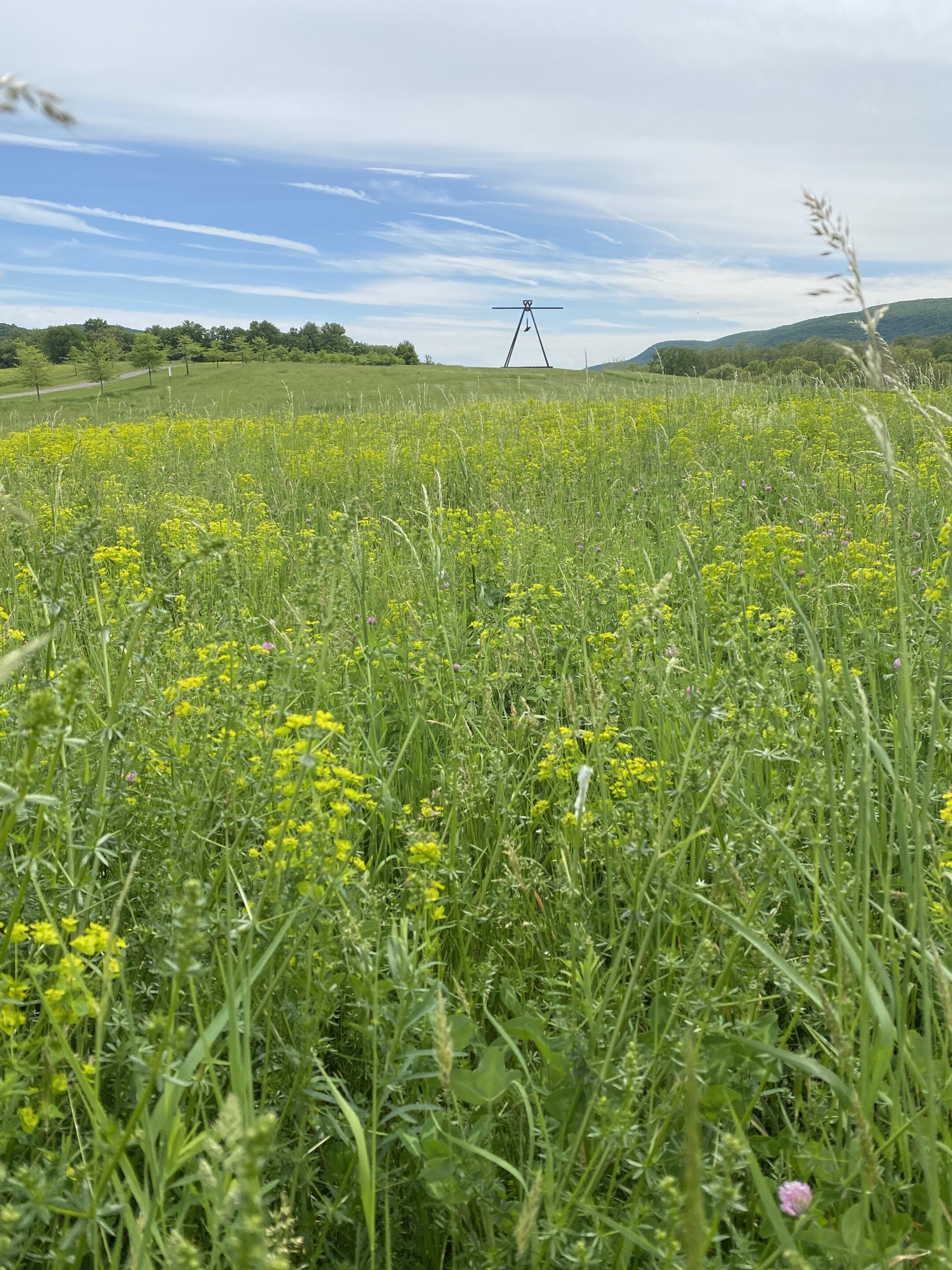
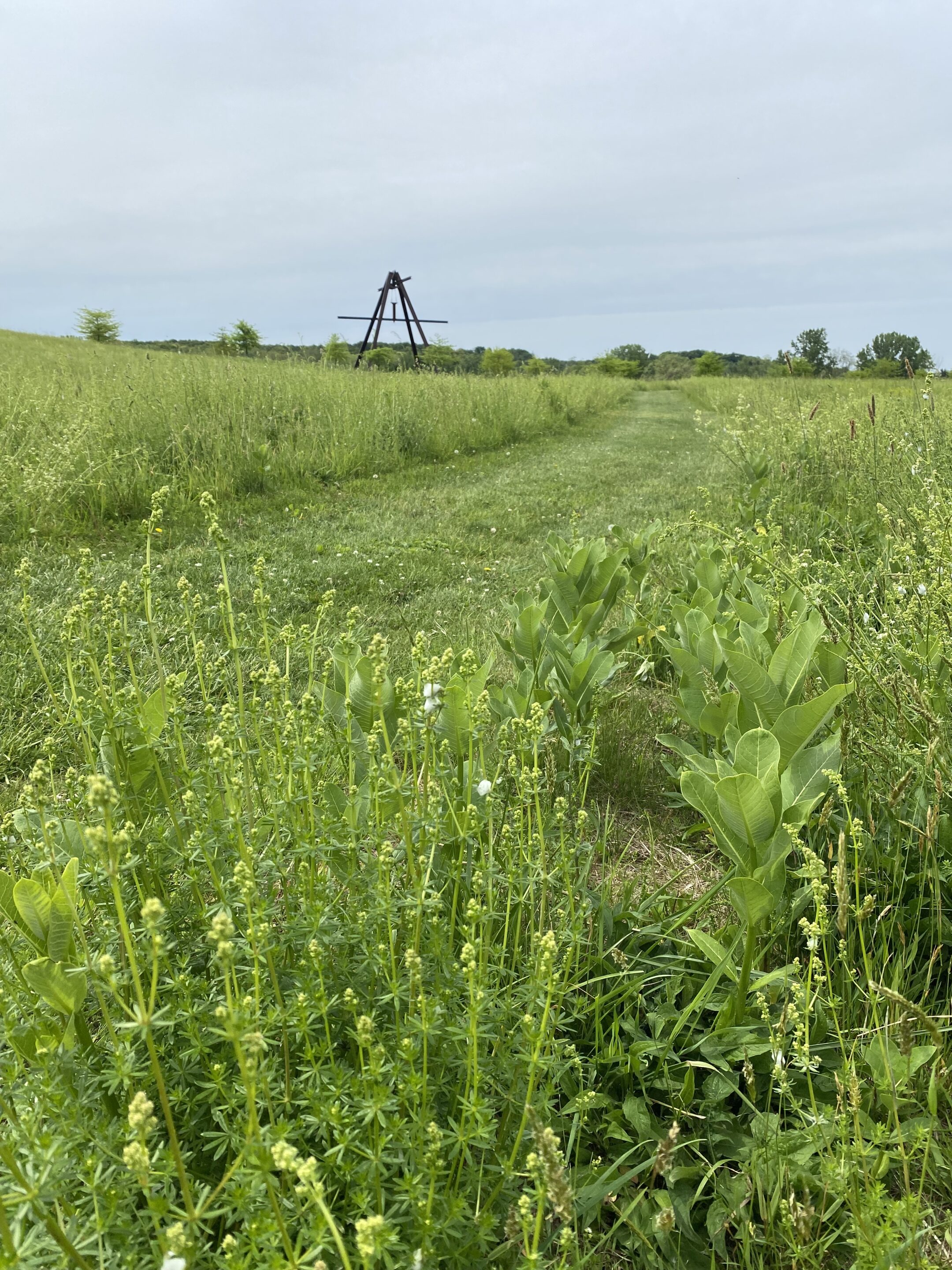
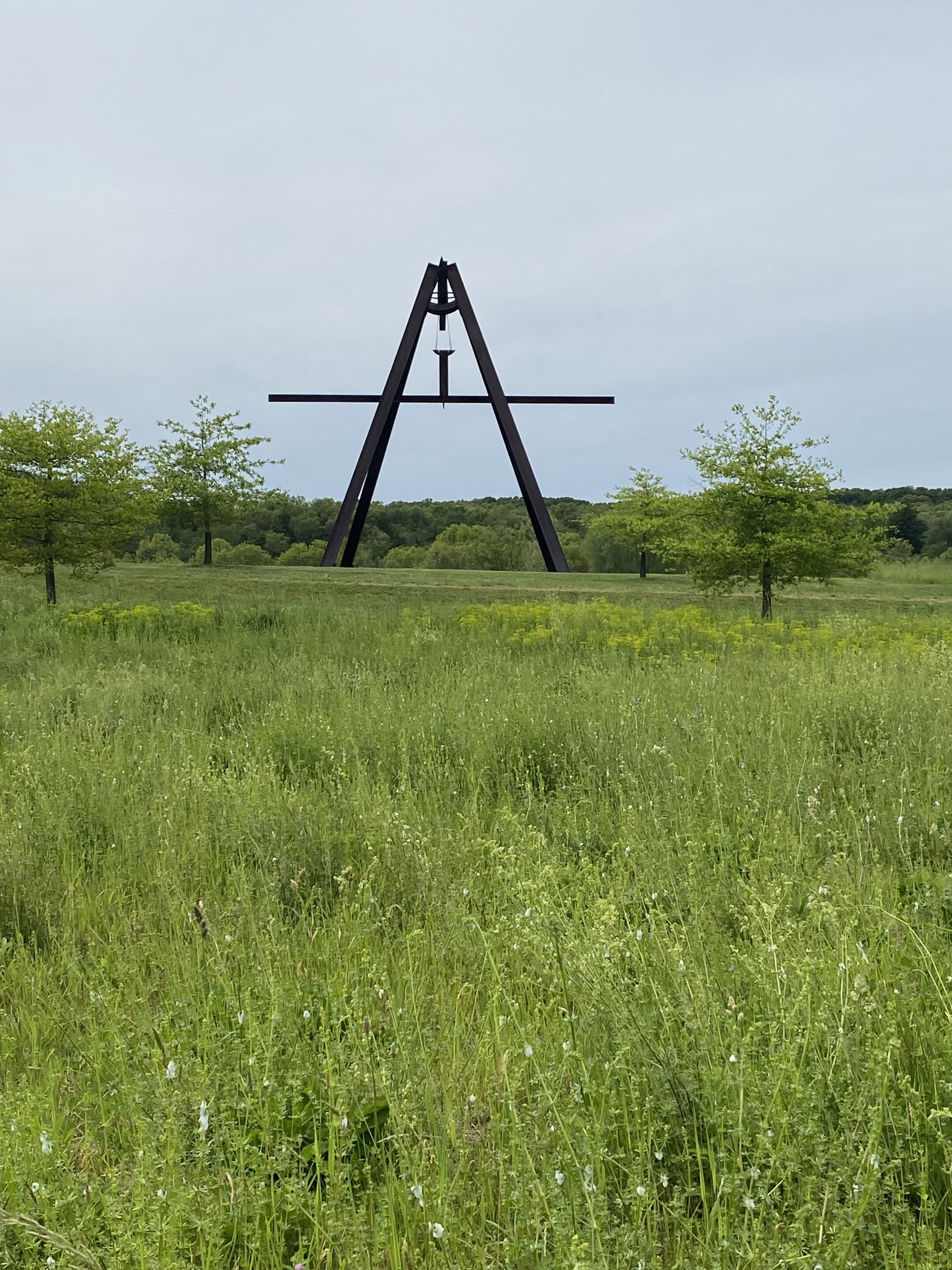
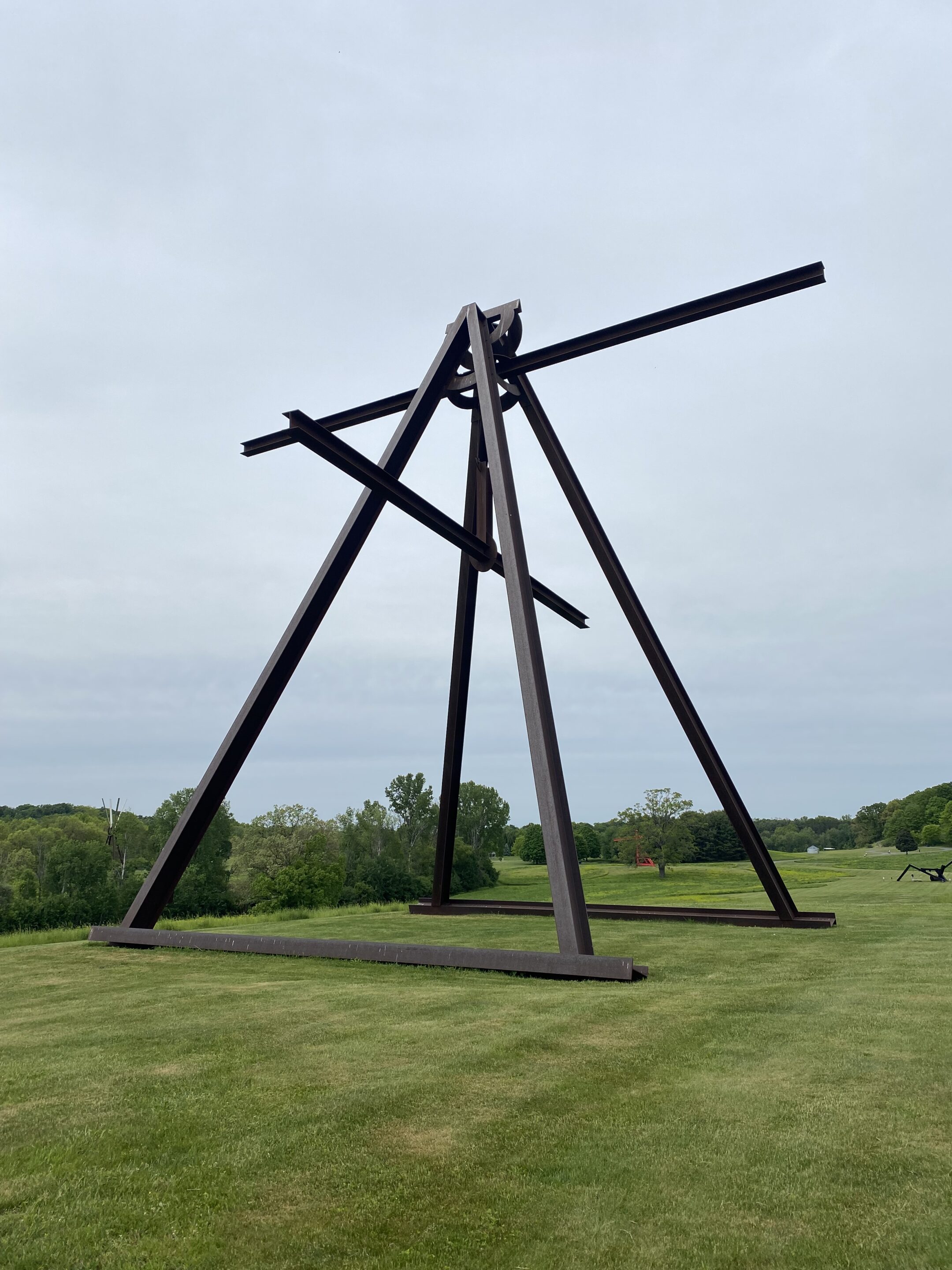
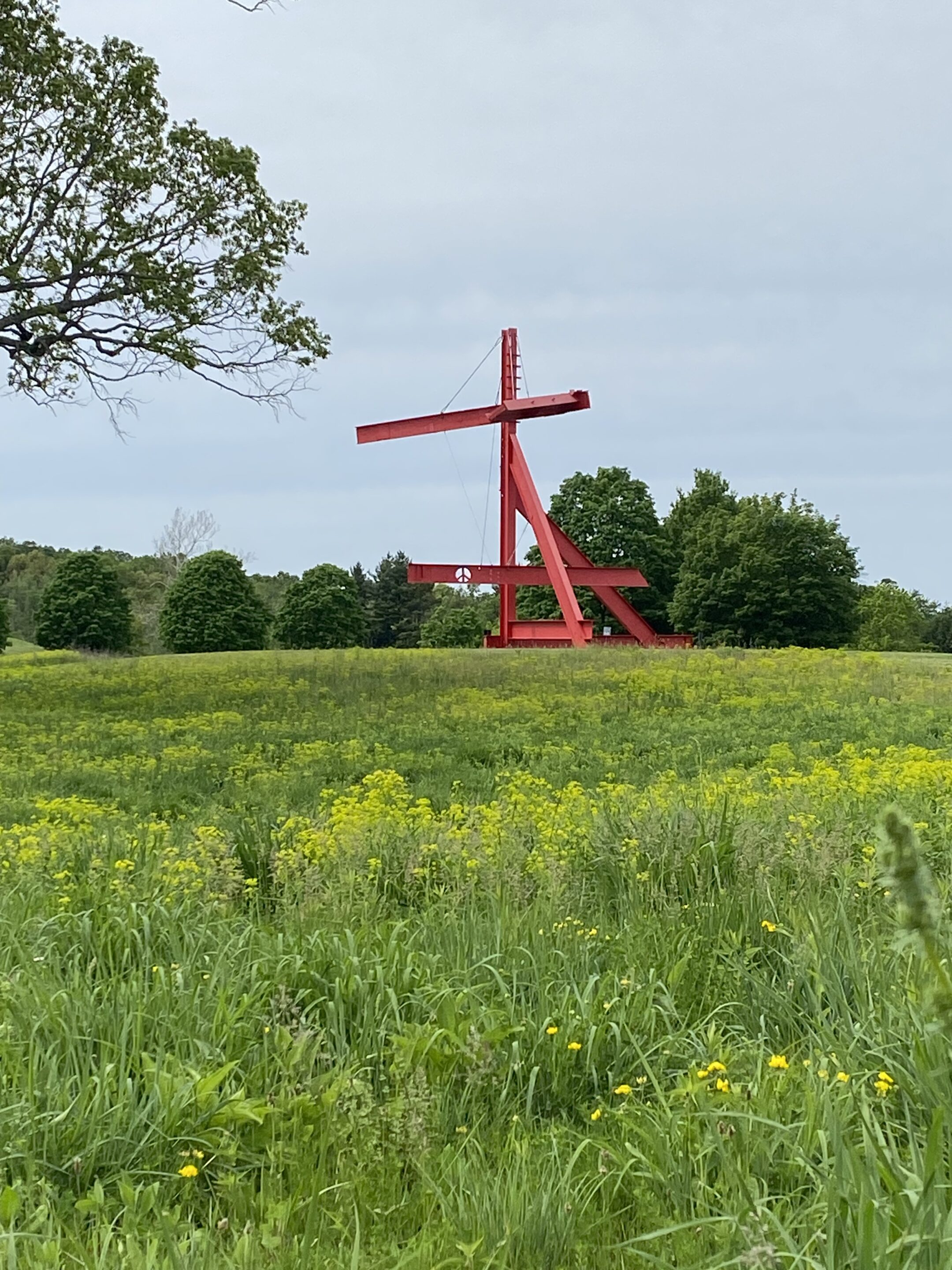
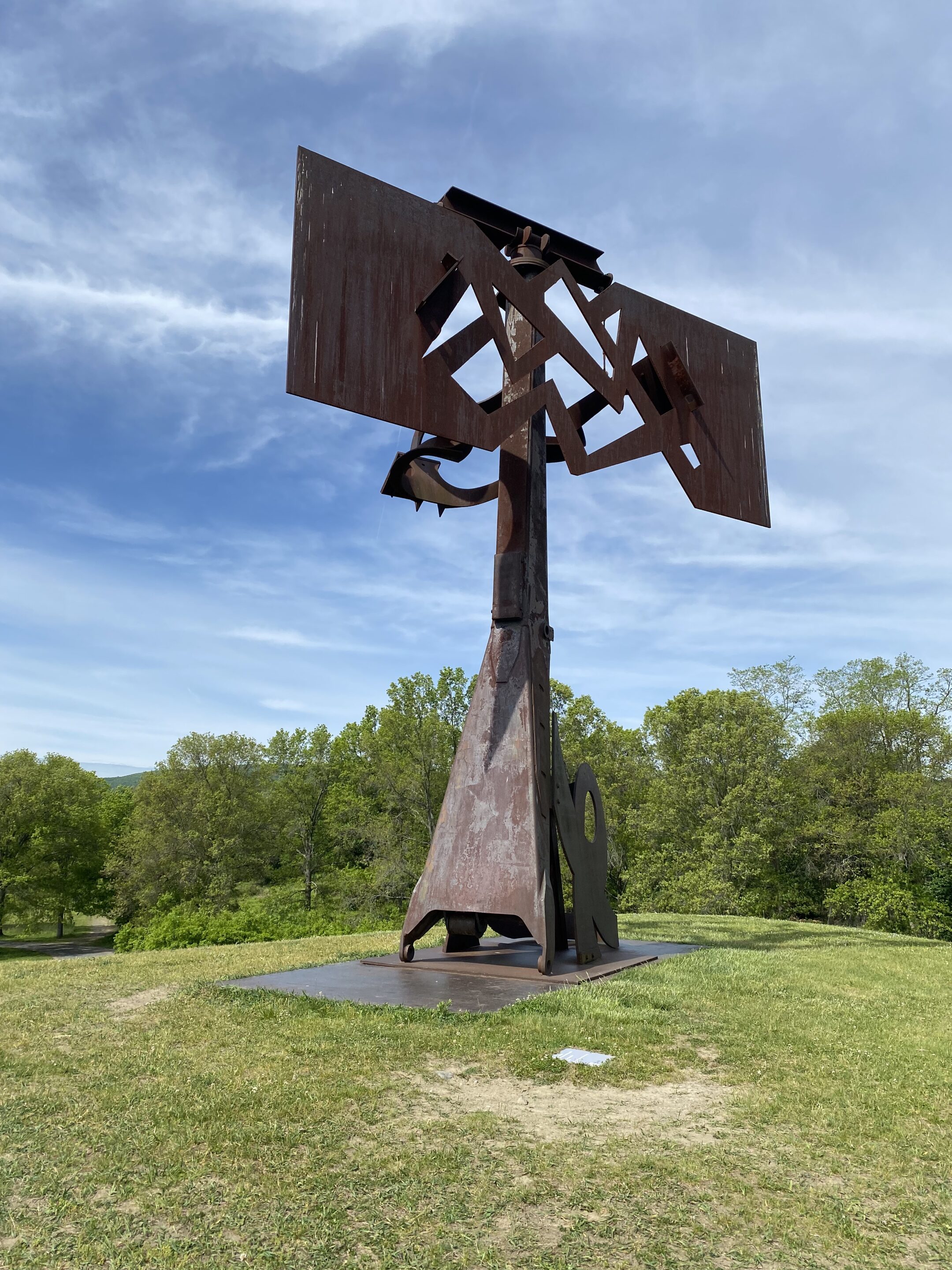
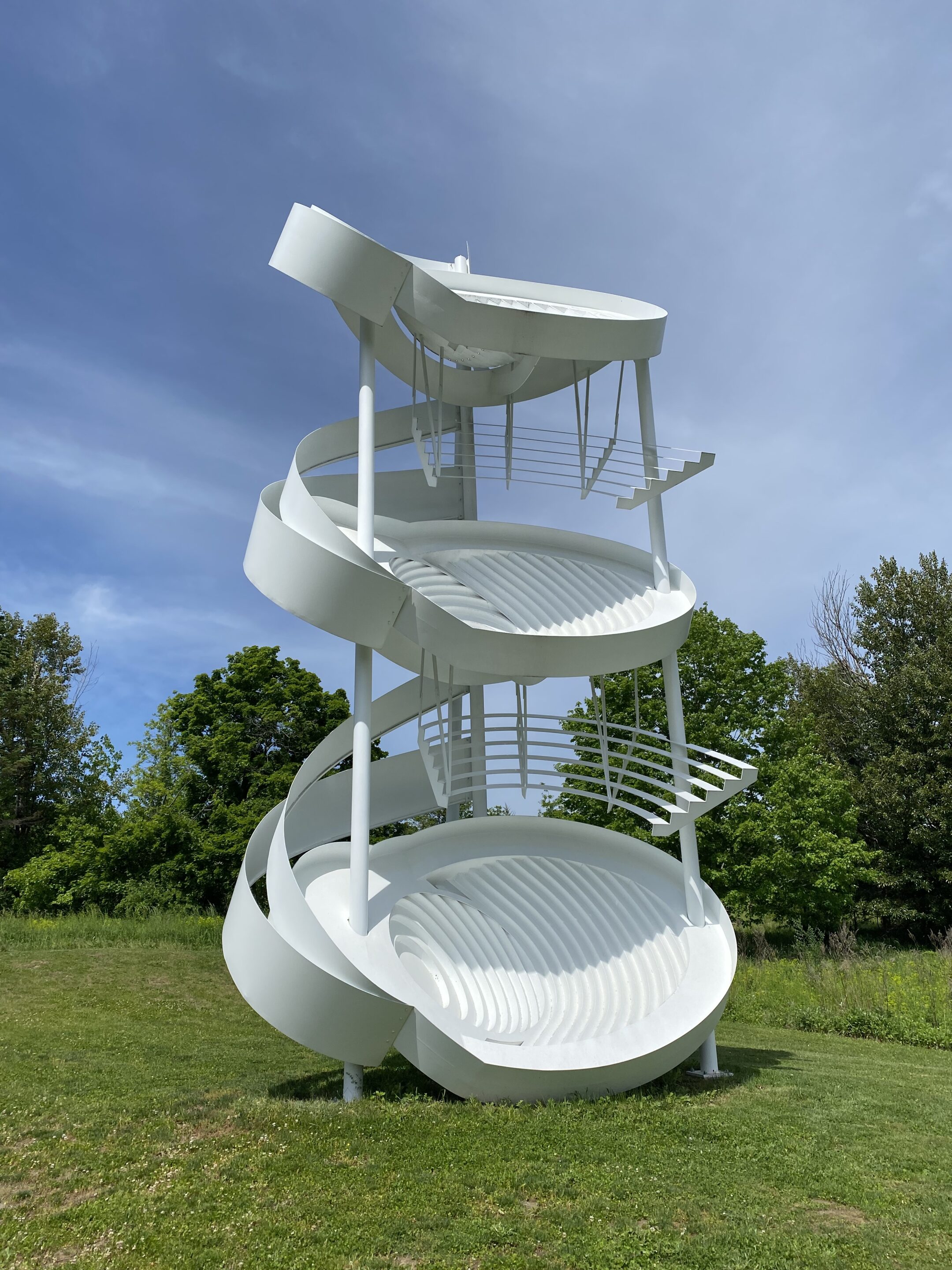
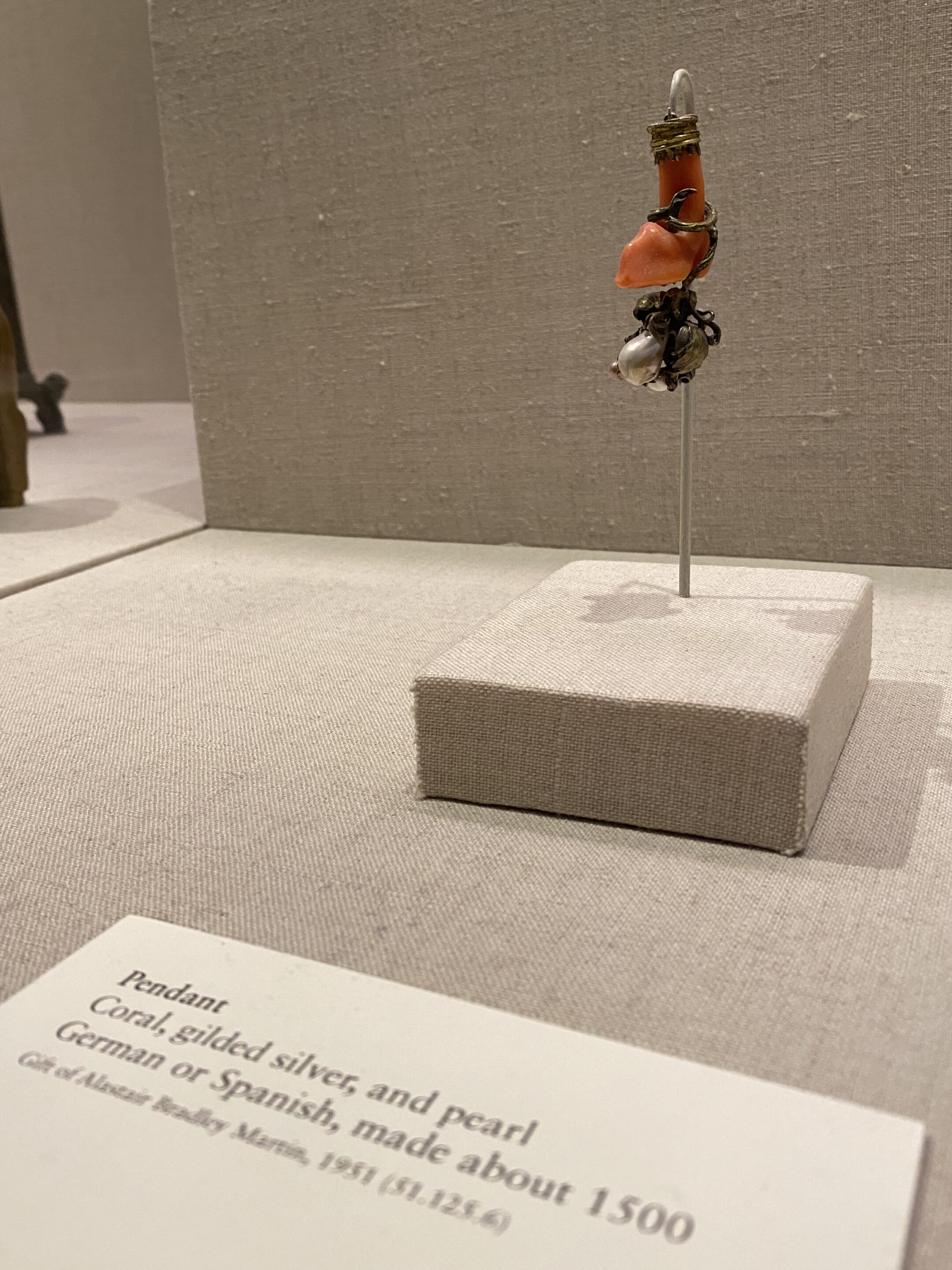
During this tour I was impacted by the scale of objects, from the smallest delicate Medieval broach at the MET to a towering 93 foot high steel sculpture at Storm King. I was also impressed by the vast difference of presentation, for example between a cloistered art object and an outdoor one. The broach was under plexiglas, in a darkened climate controlled setting. One could study it closely, appreciate it, but at a distance without touching it. Opposite to that, the Di Suvero sculpture was out in a grassy field with birds chirping, bugs in the breeze and the radiant sun above. It changed color with the presence of clouds. It was integrated with the environment. You could walk in and around it, touch it and sit with it. More than an intellectual experience there was a physical one.
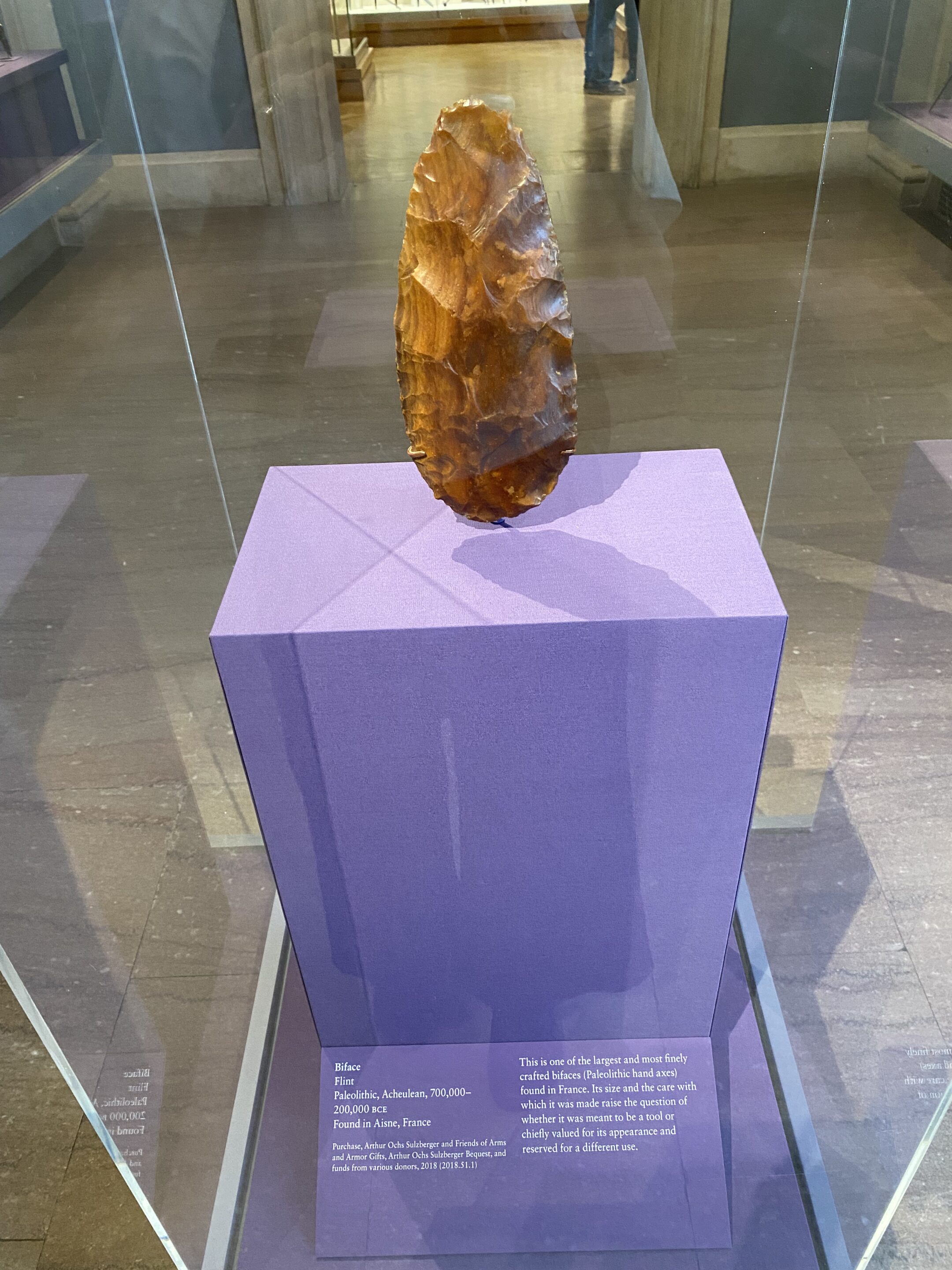
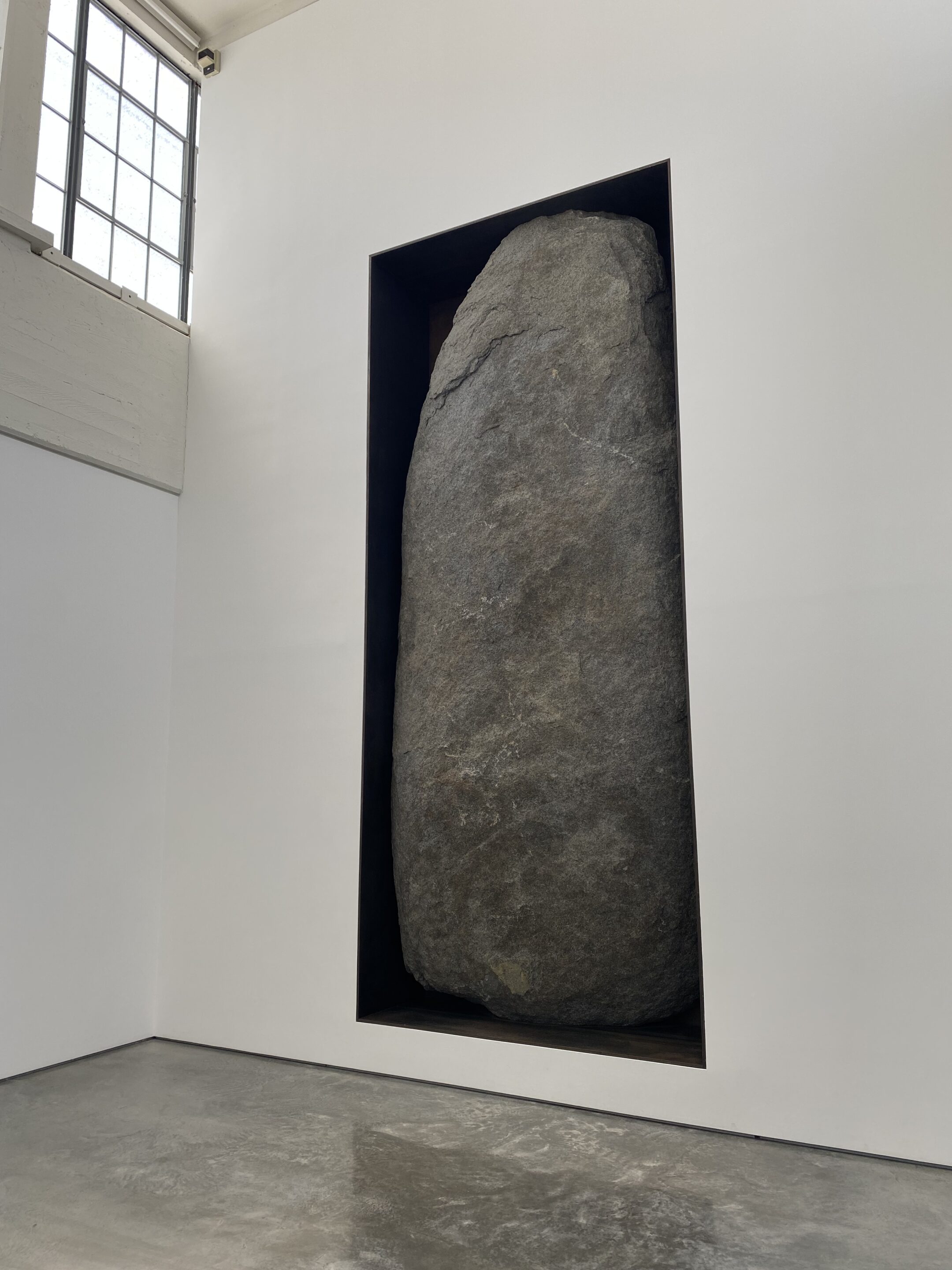
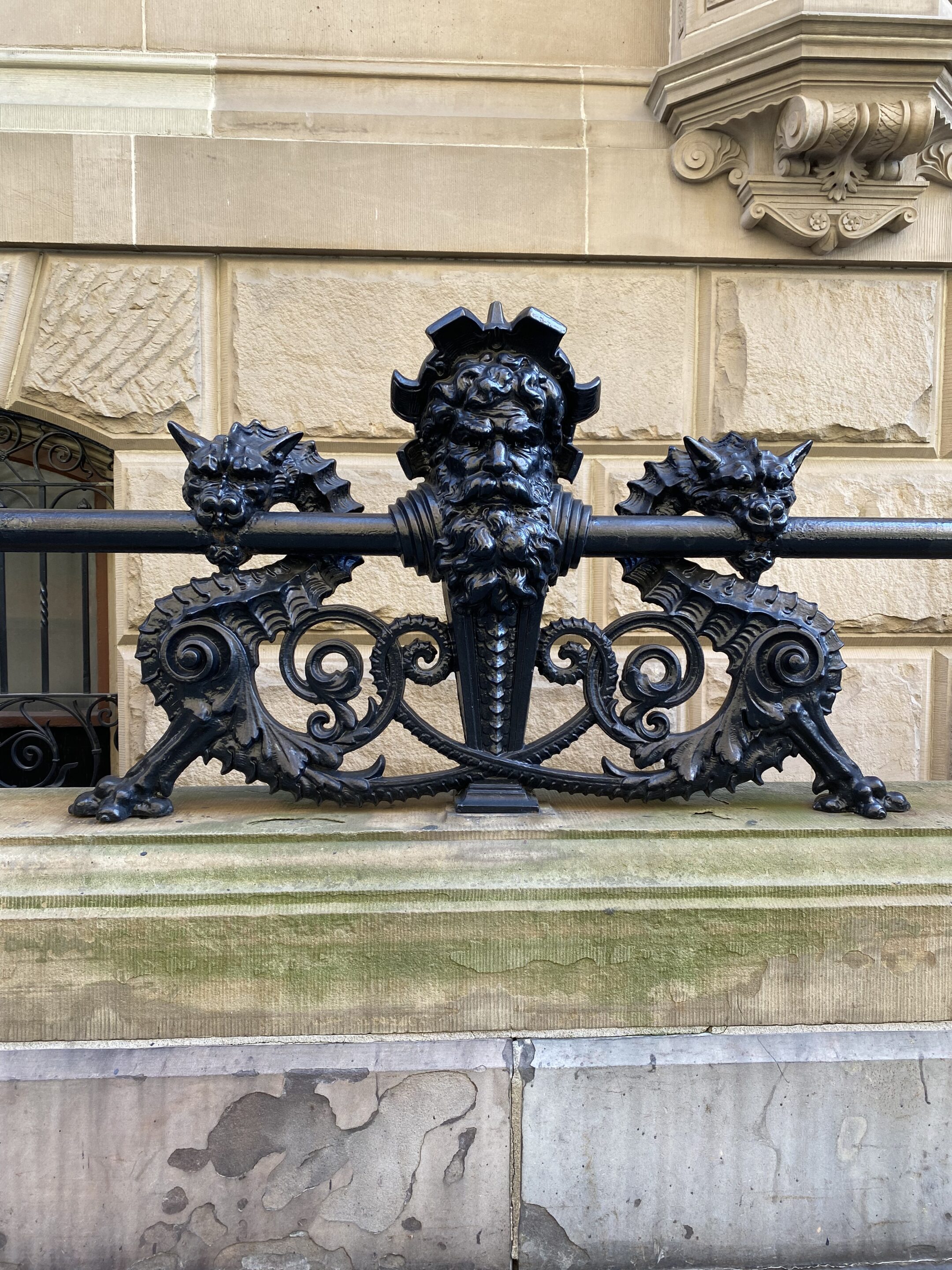
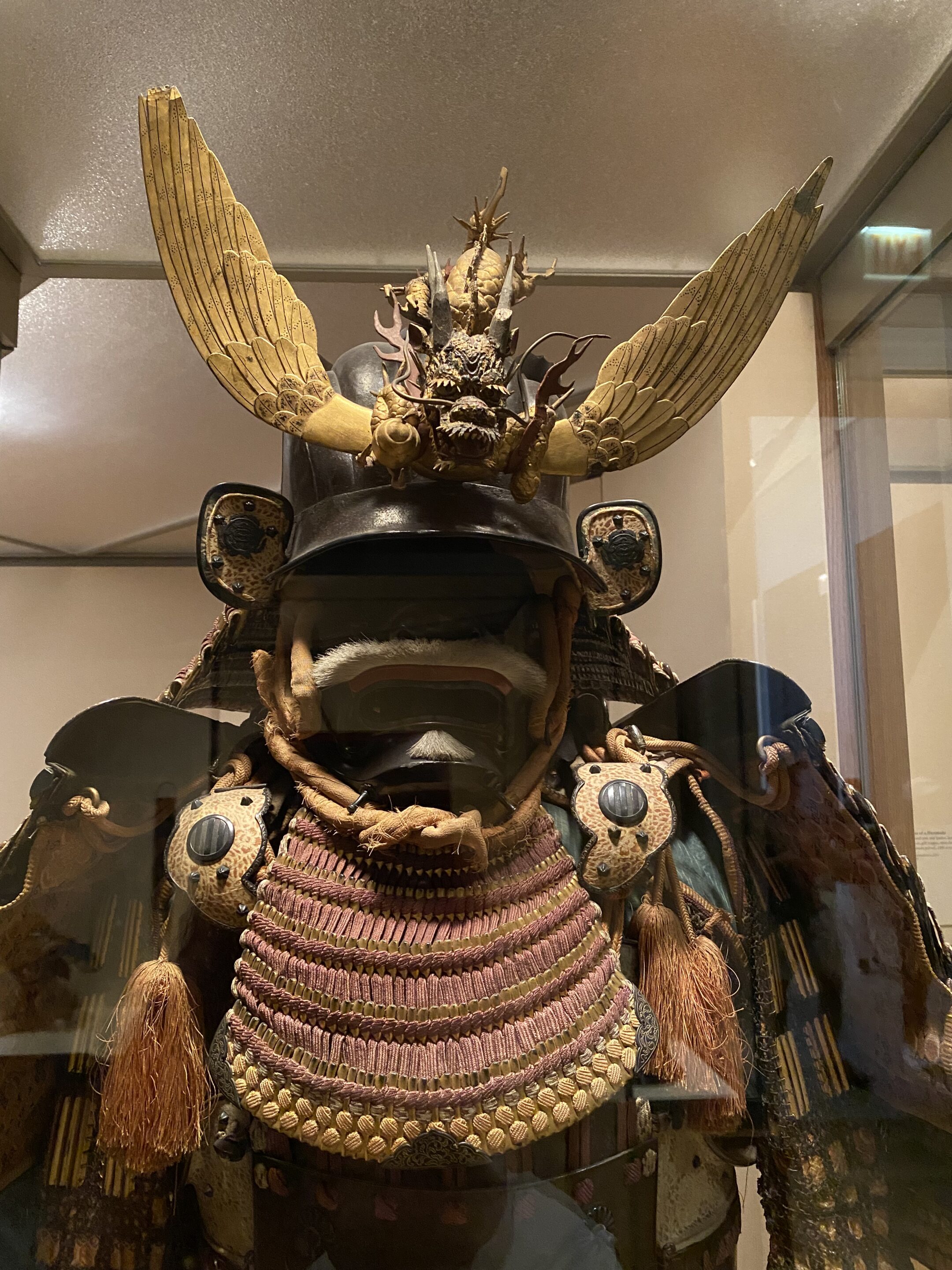
I loved seeing all the artists and craftspeople that left their mark on this world. An artist may have only one object that survives them. Their name could be lost to time. I remember the label from the MET under a stone hand axe, “Biface, Flint, Paleolithic 700,000 BCE, found in Aisne, France.” Who was that person and what was their life like? That was one stone tool, shaped with skill and patience. It was found, protected, mounted and placed on a pedestal. On the other end of the spectrum there is a single man’s vision, Harvey Fite. From 1938-1976 he created Opus 40, a large environmental sculpture on his land within a 63 acre bluestone quarry. The art is 6.5 acres of stacked stone, no mortar. It’s a series of swirling ramps over 16 foot deep gullies. At its center is a pedestal with a stone monolith three stories tall. It will stand for thousands of years at least and is an incredible testament to the human will to express their vision.
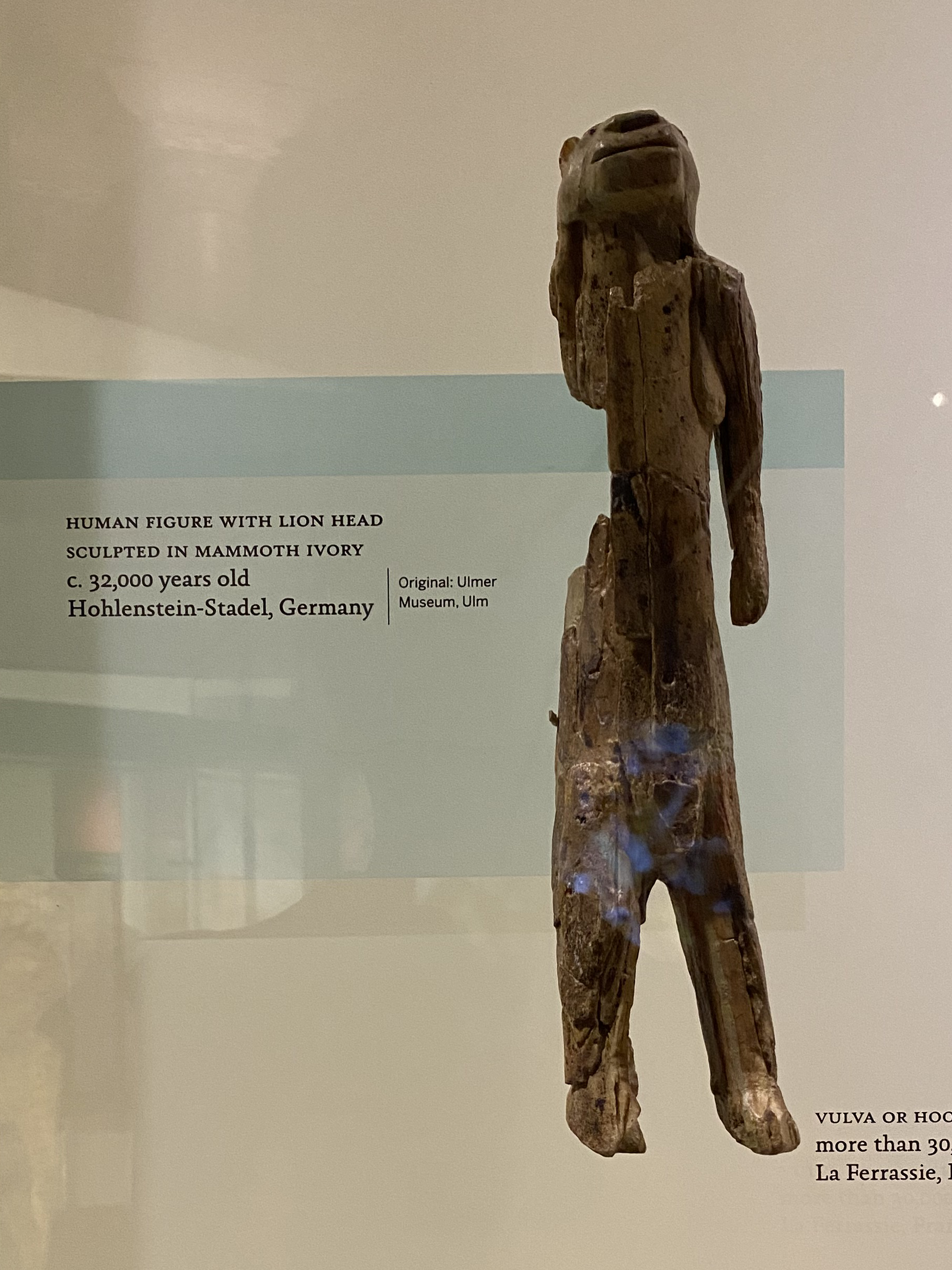
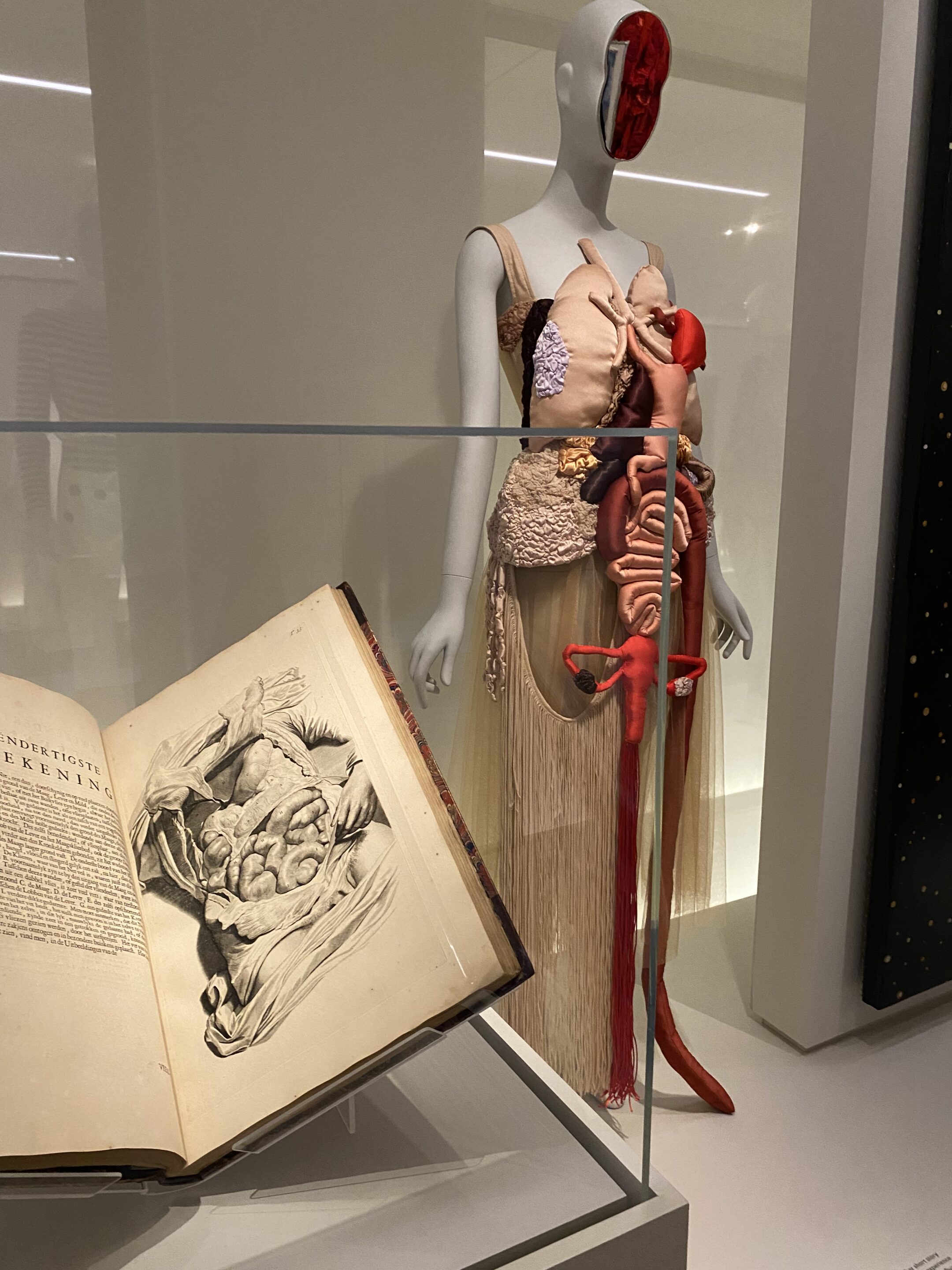
Seeing art from such a variety of institutions revealed a through line to me about what it means to be human. The evolution of our species into the humans we know today is apparent the moment we see the ancient artifacts of their expression. The desire and ability to create beauty required a deeper emotional complexity. That’s the spark of our intellect. It’s visible in the 32,000 year old Stone Age animal figurine at the Natural History Museum. The mammoth ivory is carefully carved to depict a lion’s head on a human body. The face has a relaxed open expression. It’s full of character and I can easily see it as a child’s toy.
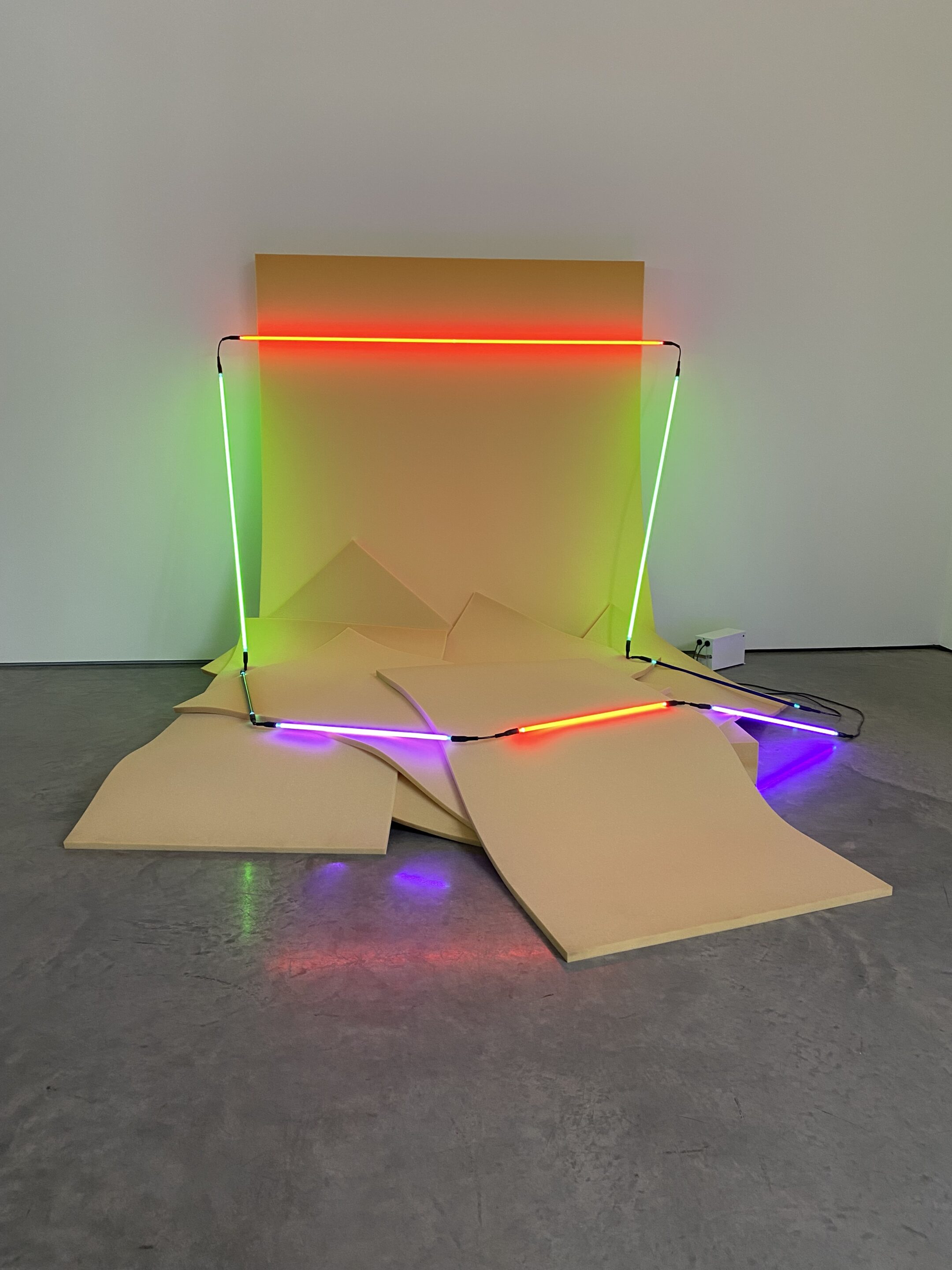
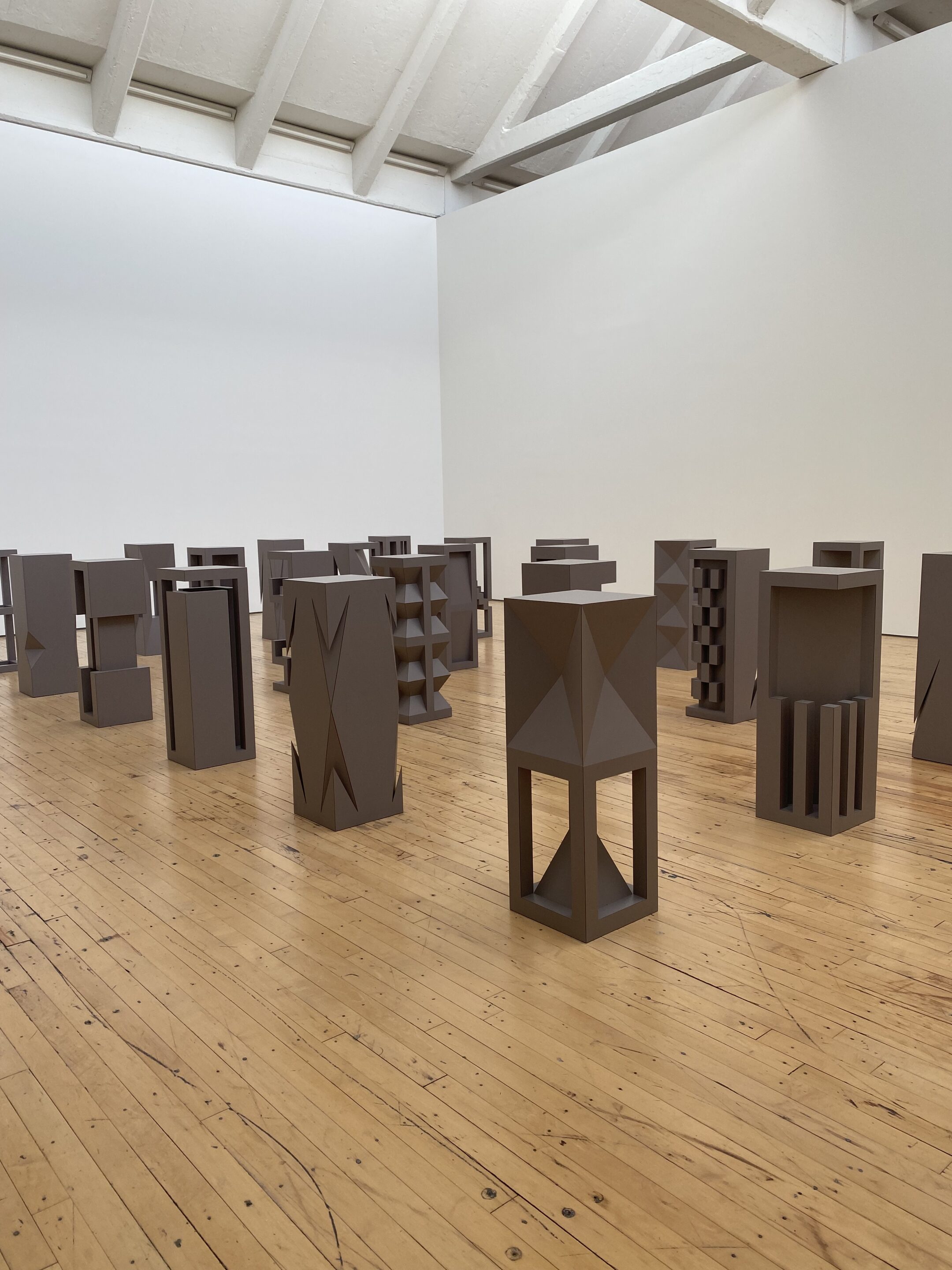
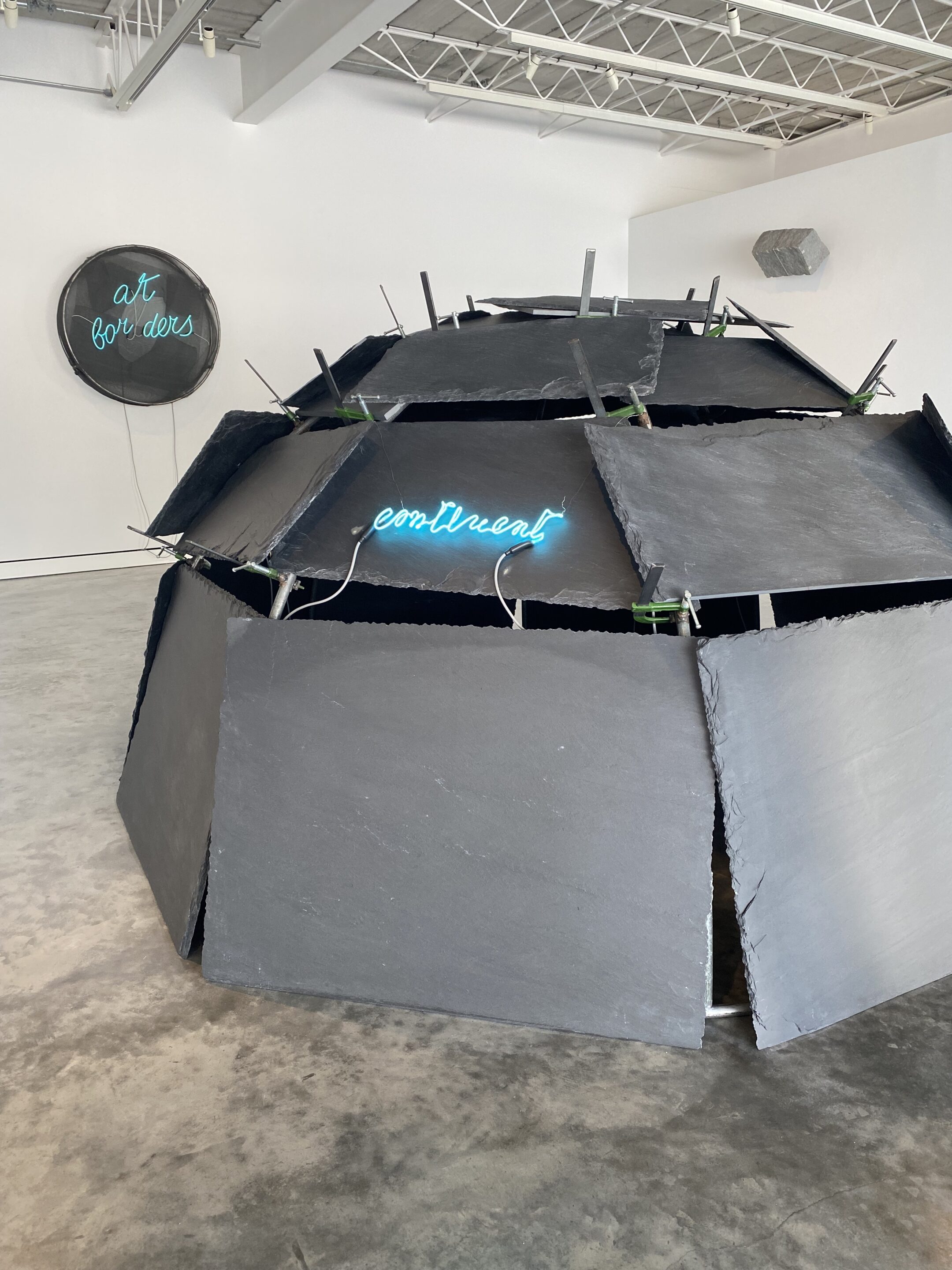
Artists want to translate and shape the world with their hands. It’s revealed through the ages with whatever materials were available to them. With stunning contrast to the mammoth ivory, there are the shaped neon and fabric light sculptures at Dia Beacon. They include bright fluorescent colors combined with tattered consumer materials. Not only is this contemporary art run on electricity but is also abstracted and conceptual.
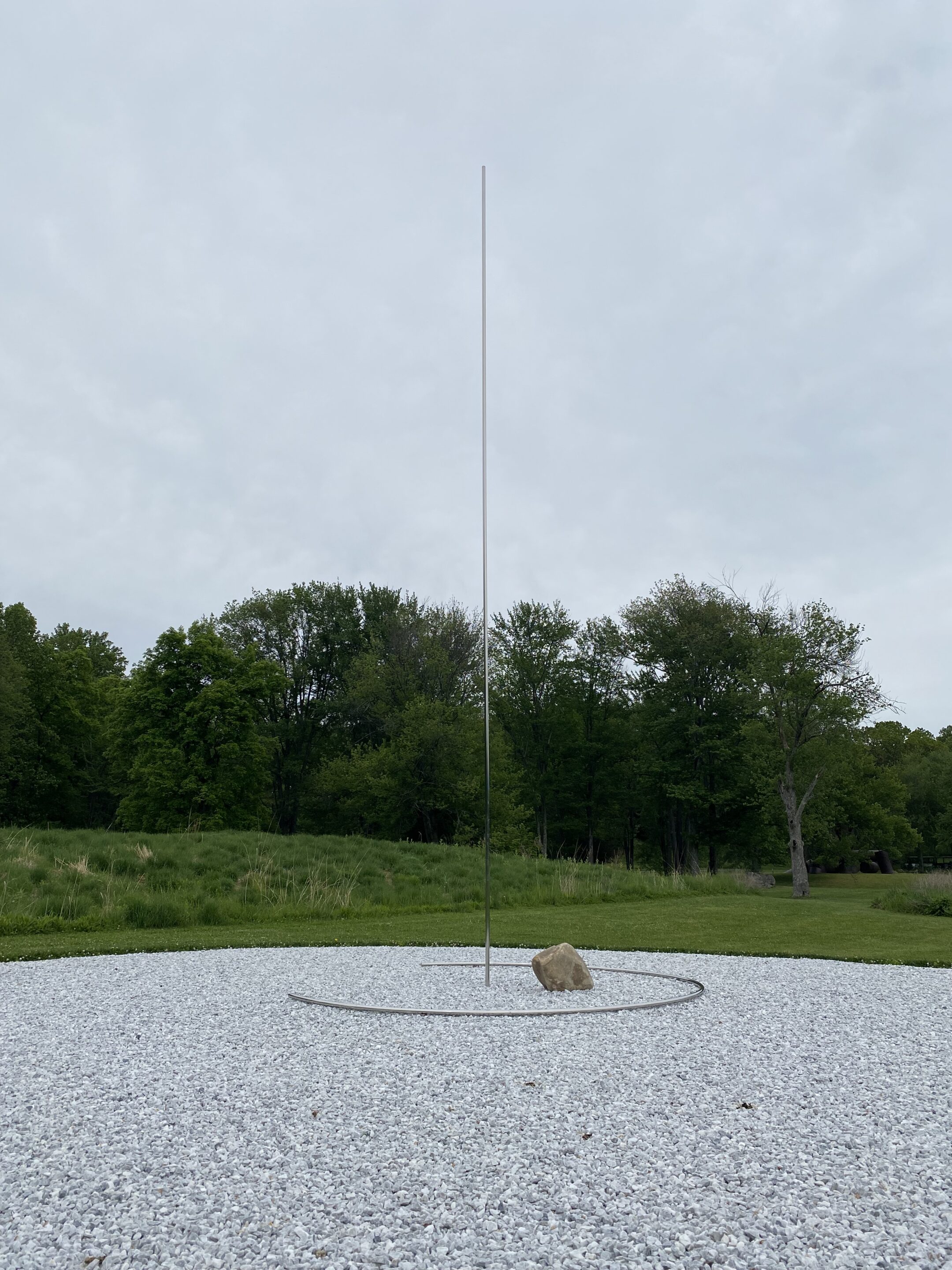
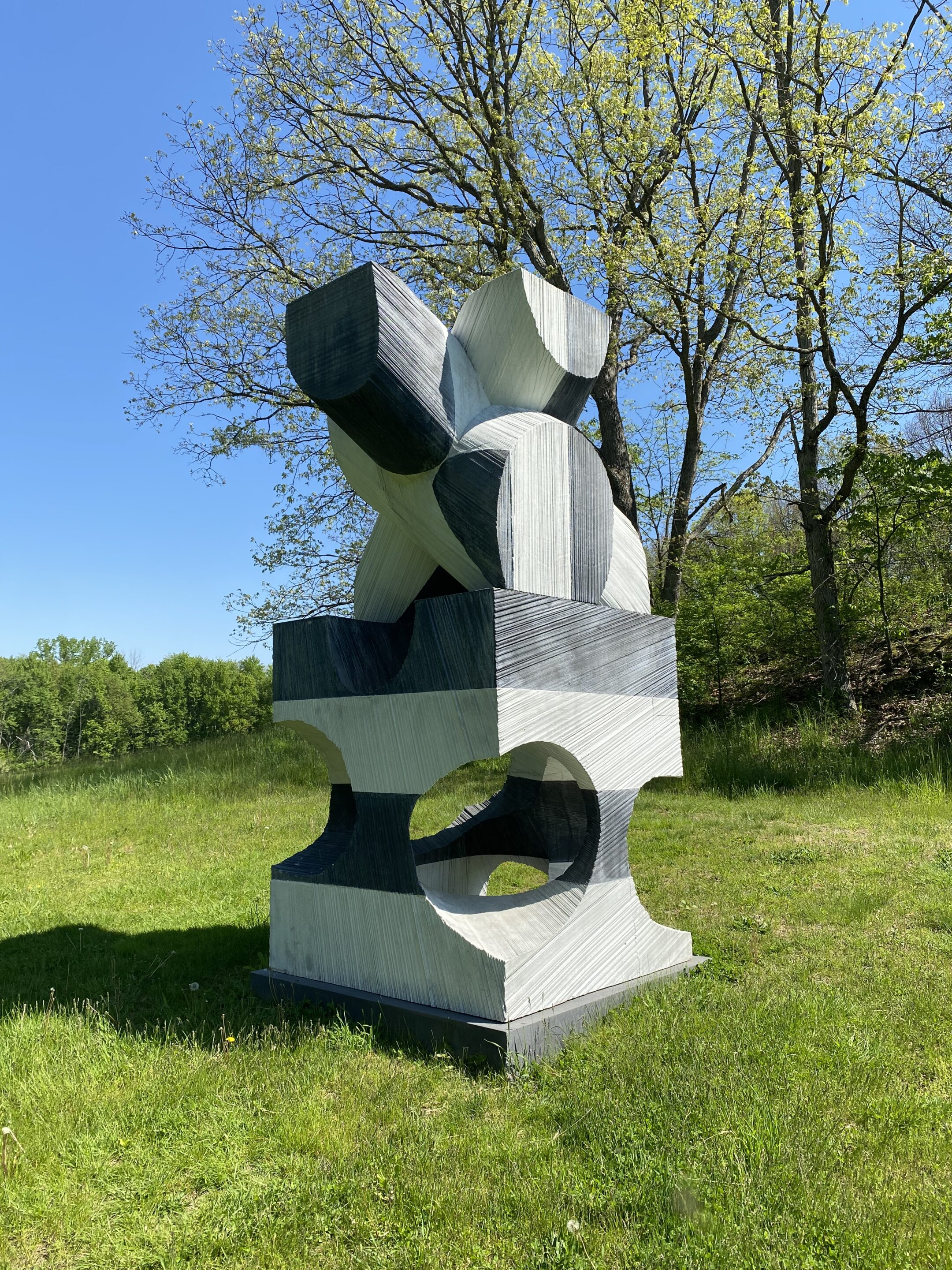
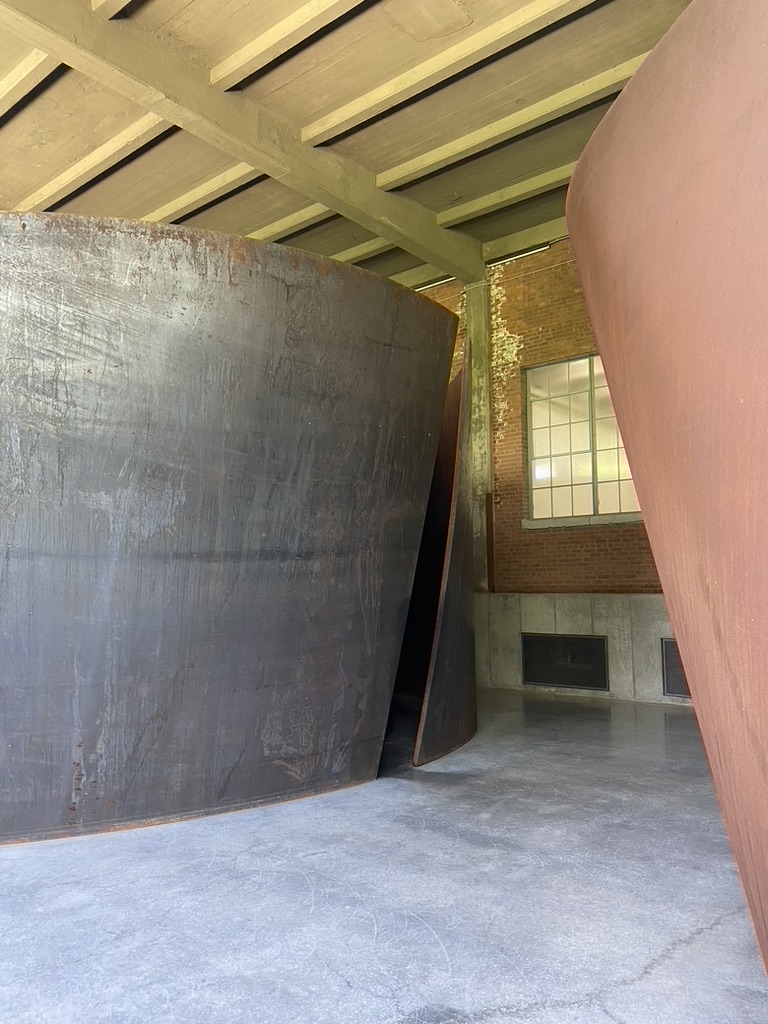
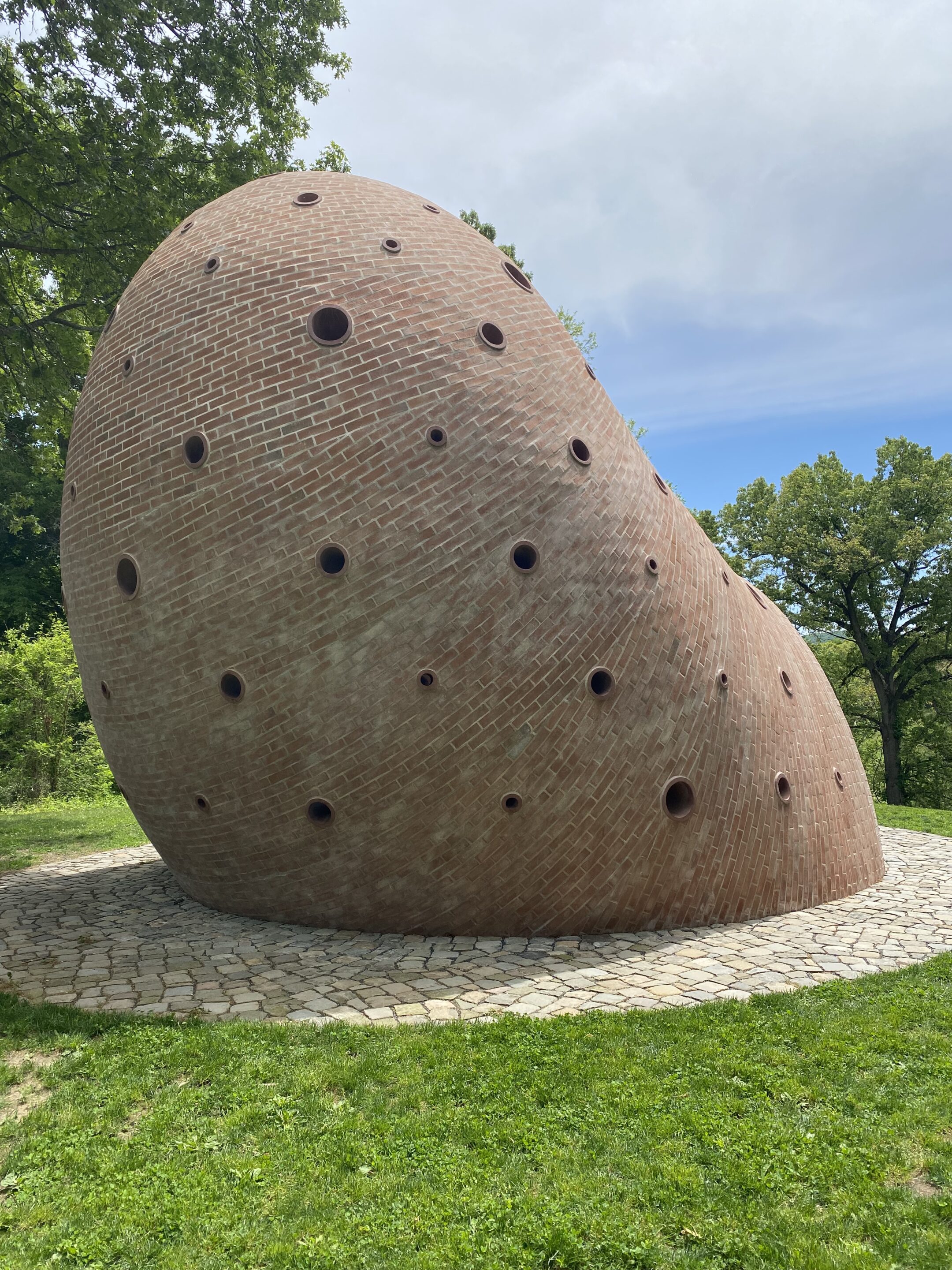
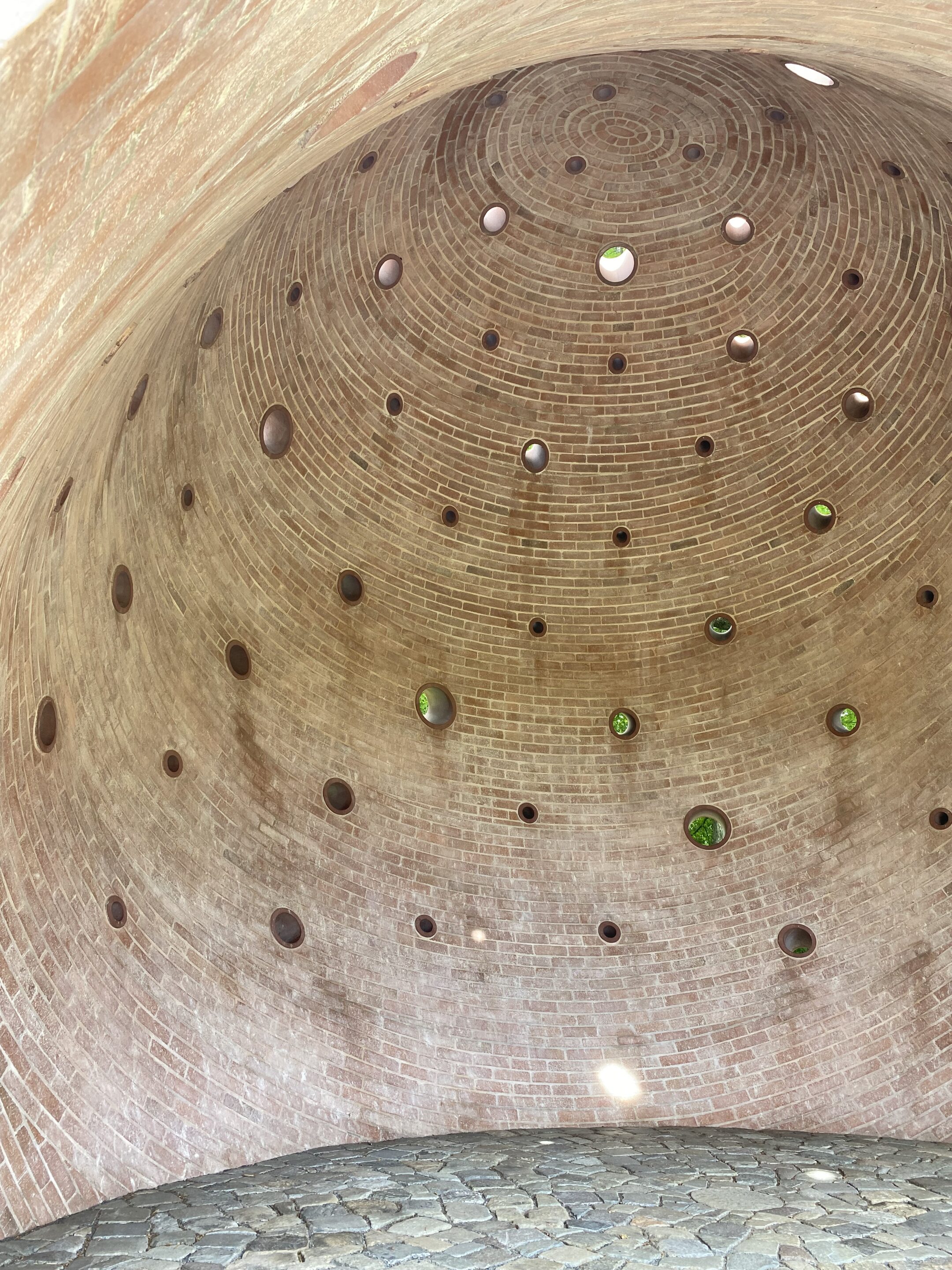
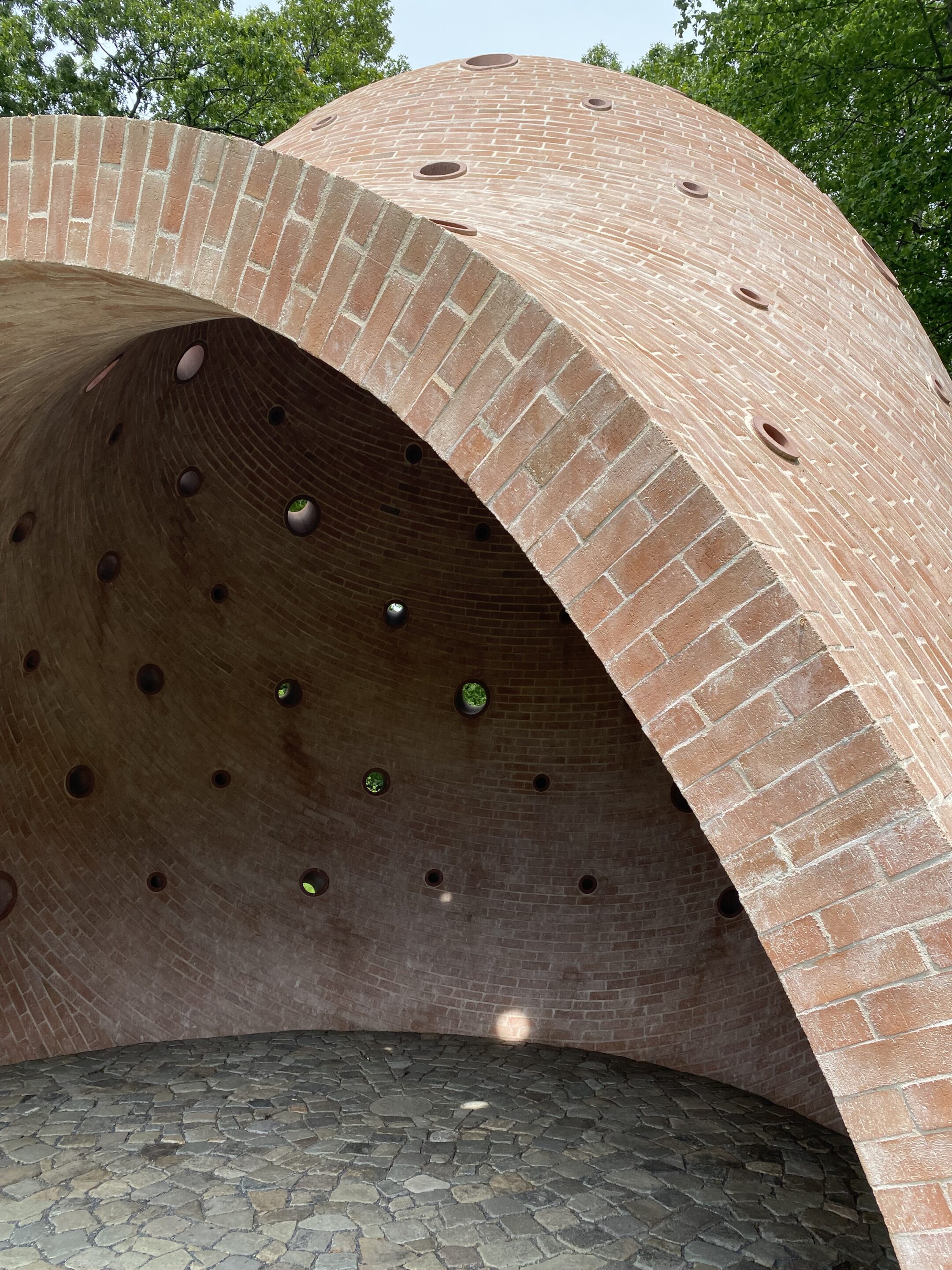
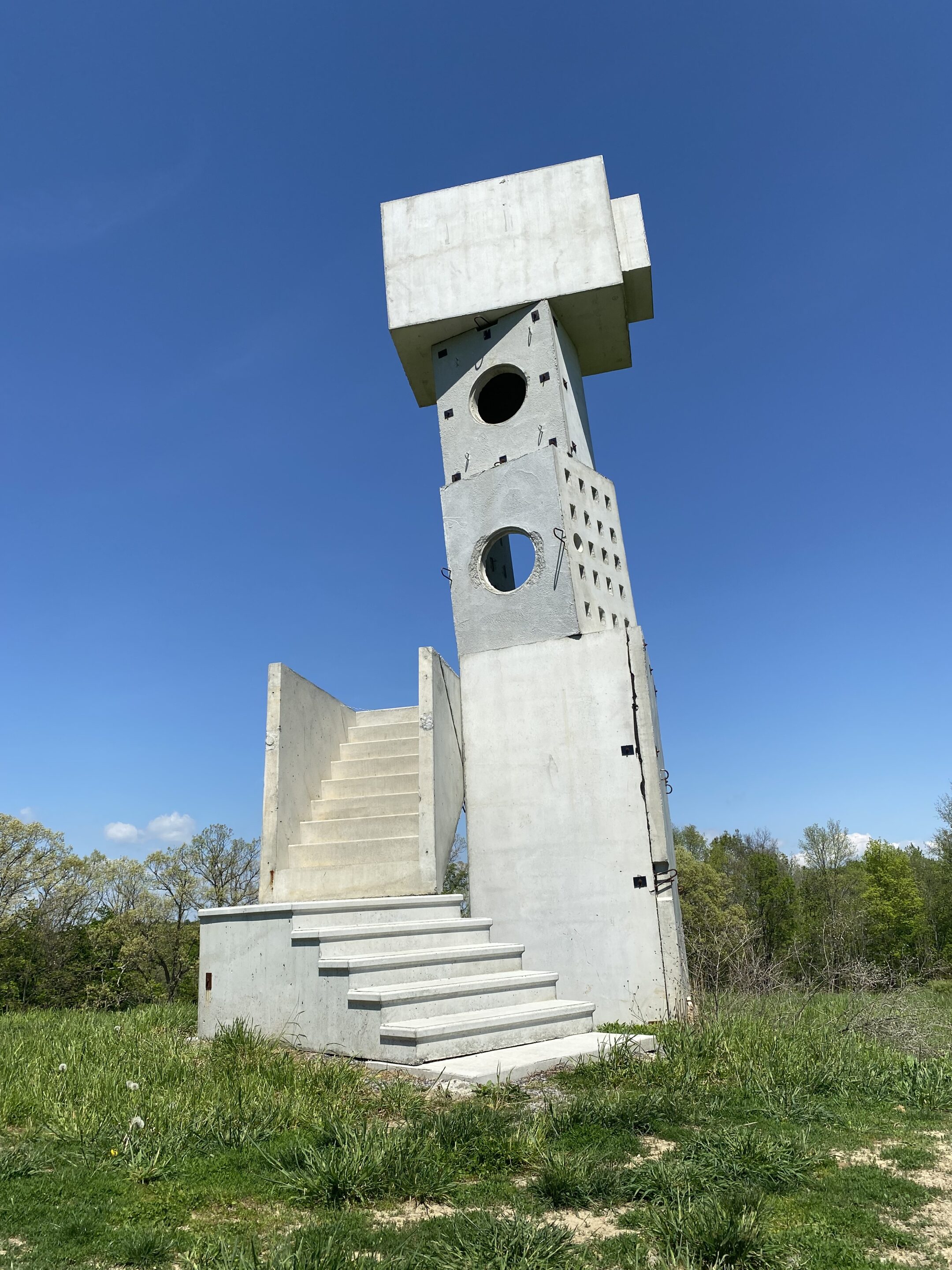
My favorite aspect of the trip was to see all the large scale works. Being a sculptor myself, I observed these massive pieces and could imagine from a practical sense, how they were created. But I also witnessed them with fresh naive eyes. It was with a sense of wonder I experienced the overwhelming scale of them. I felt small like when looking up at the stars in the Milky Way. I could see the power of what sculpture can be. It’s magic.
This entire experience was so validating for my own practice. I have a unique voice that is as true for me as any other artist throughout time. I’m glowing with gratitude after witnessing so much human expression. I highly recommend visiting any of these locations or creating your own art immersed vacation!
Beautiful article, Shelly! So many places to add to my wish list.
After you visit please tell me all about it!
https://podcasts.apple.com/us/podcast/hidden-brain/id1028908750?i=1000785600703
Great article Shelly. Your inspirational writing augments your collection of photos, and we’re almost there with you in these places.
Thank you, I’m glad you appreciated it. Writing is an art in itself. This was a chance to express myself through words instead of my usual medium, steel.